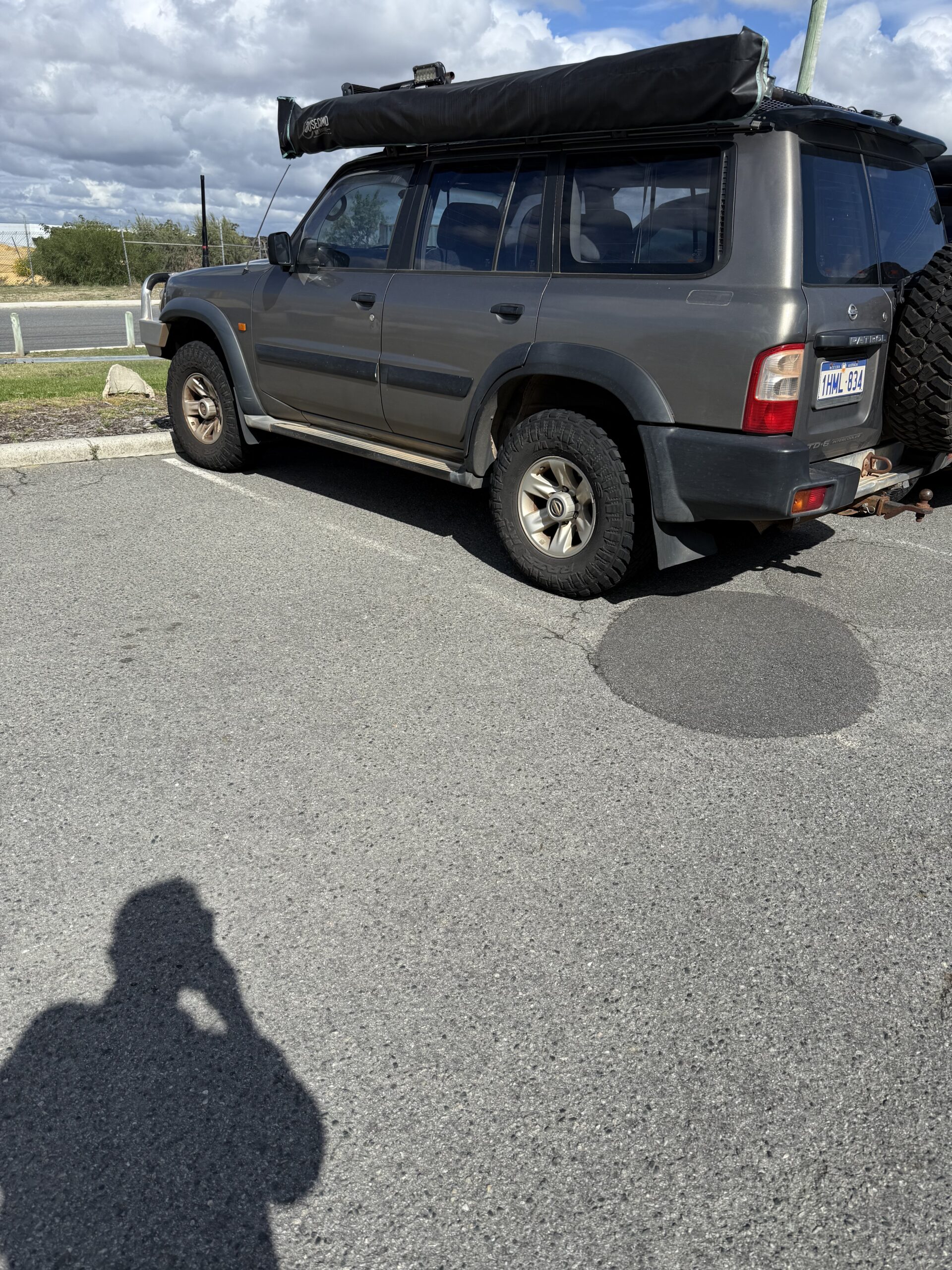
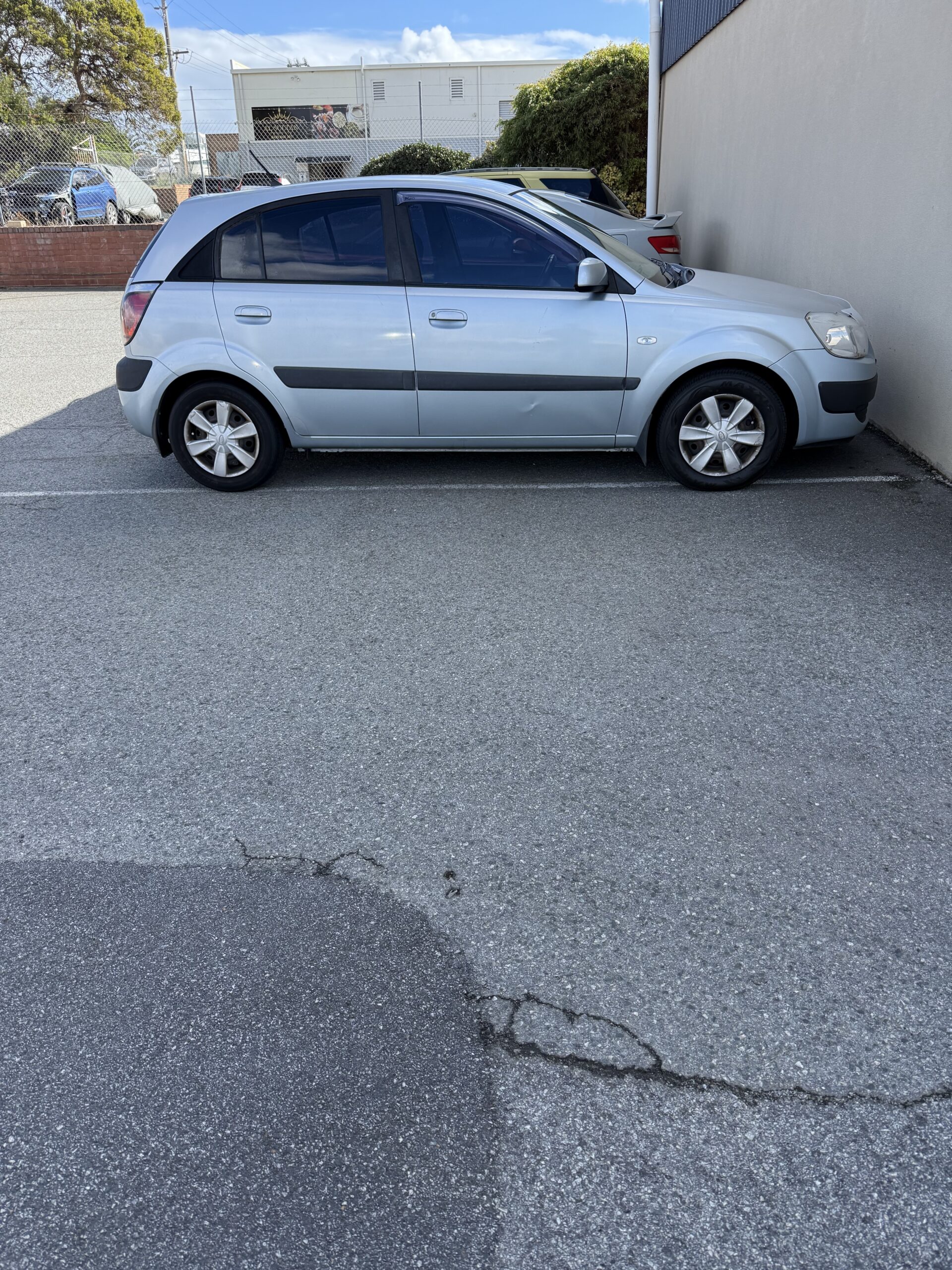
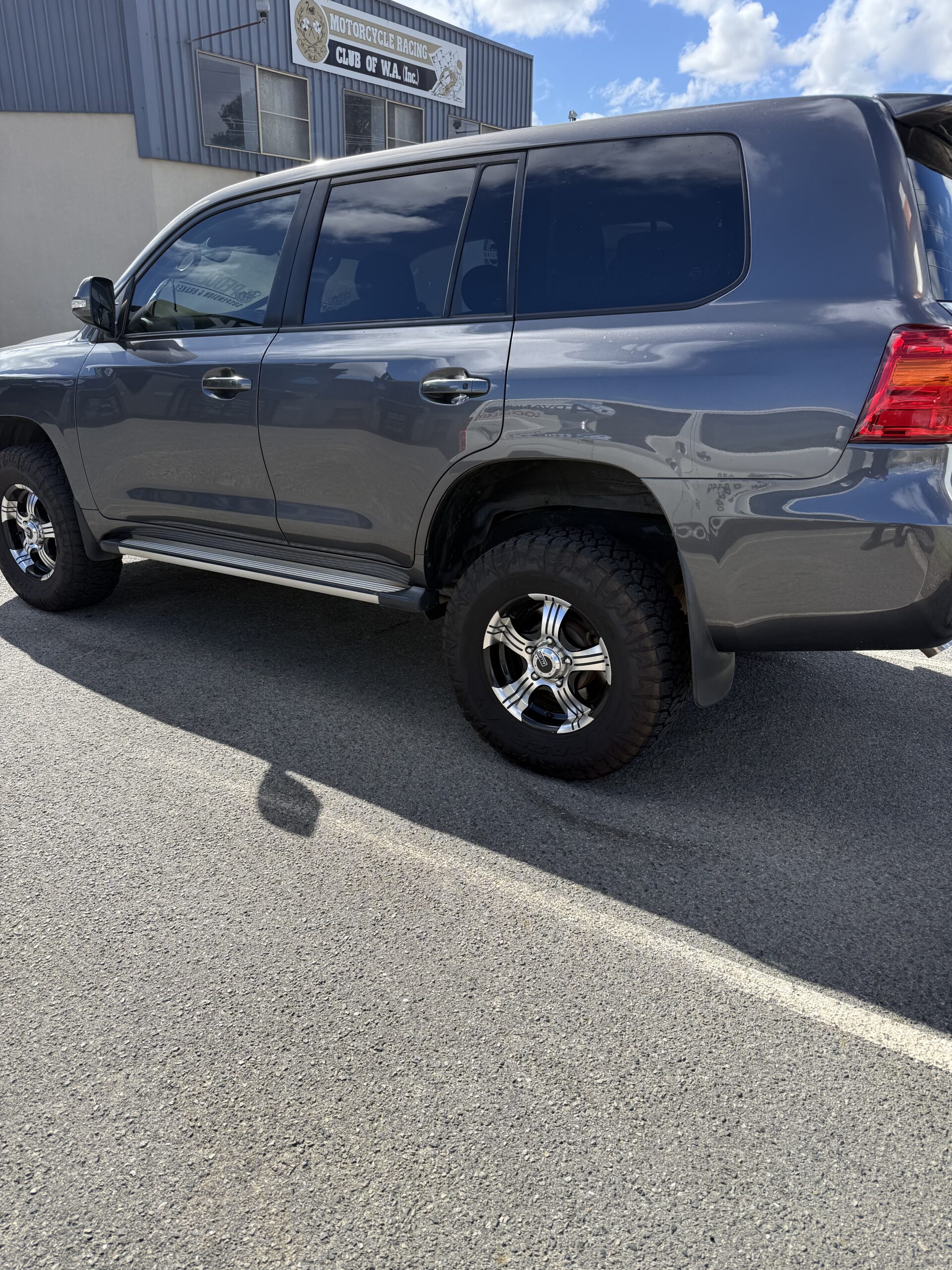
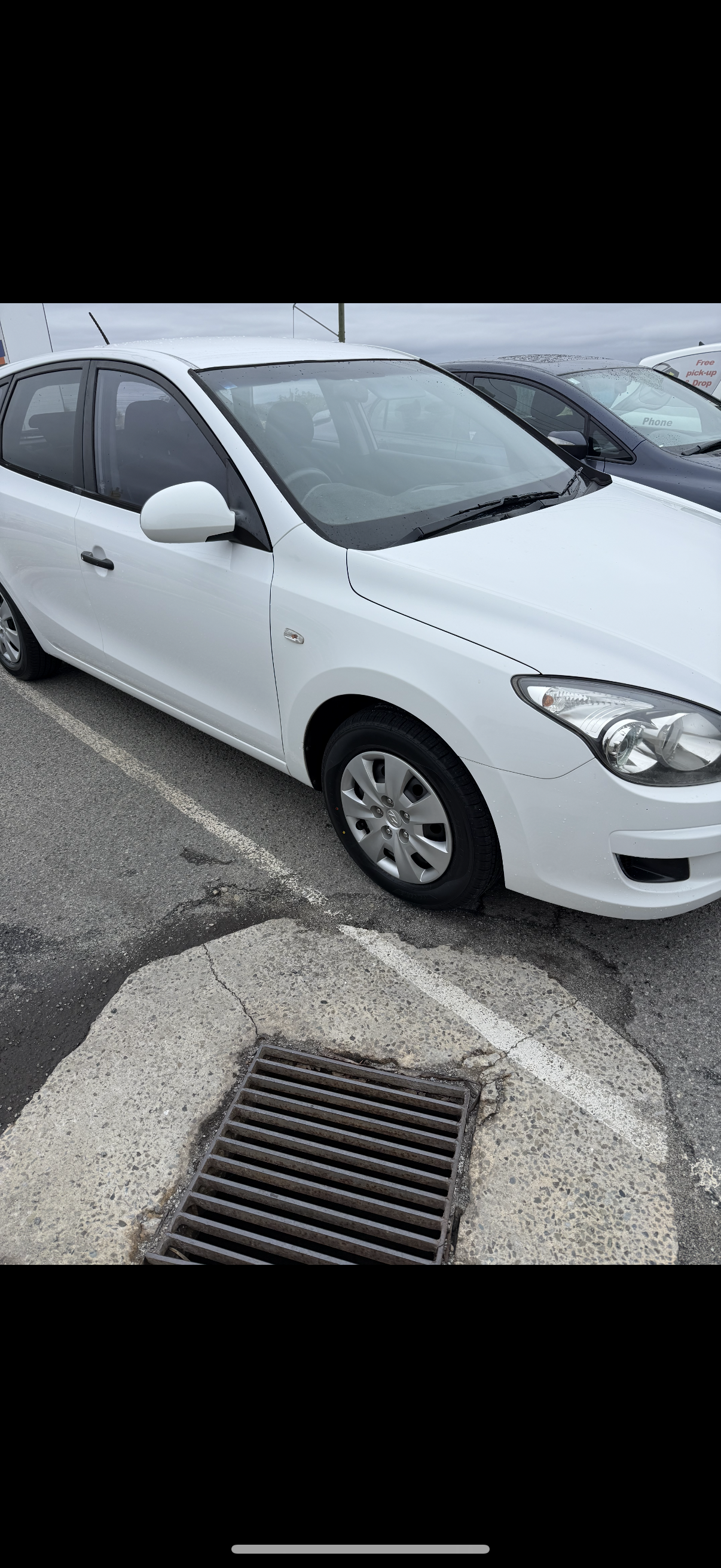
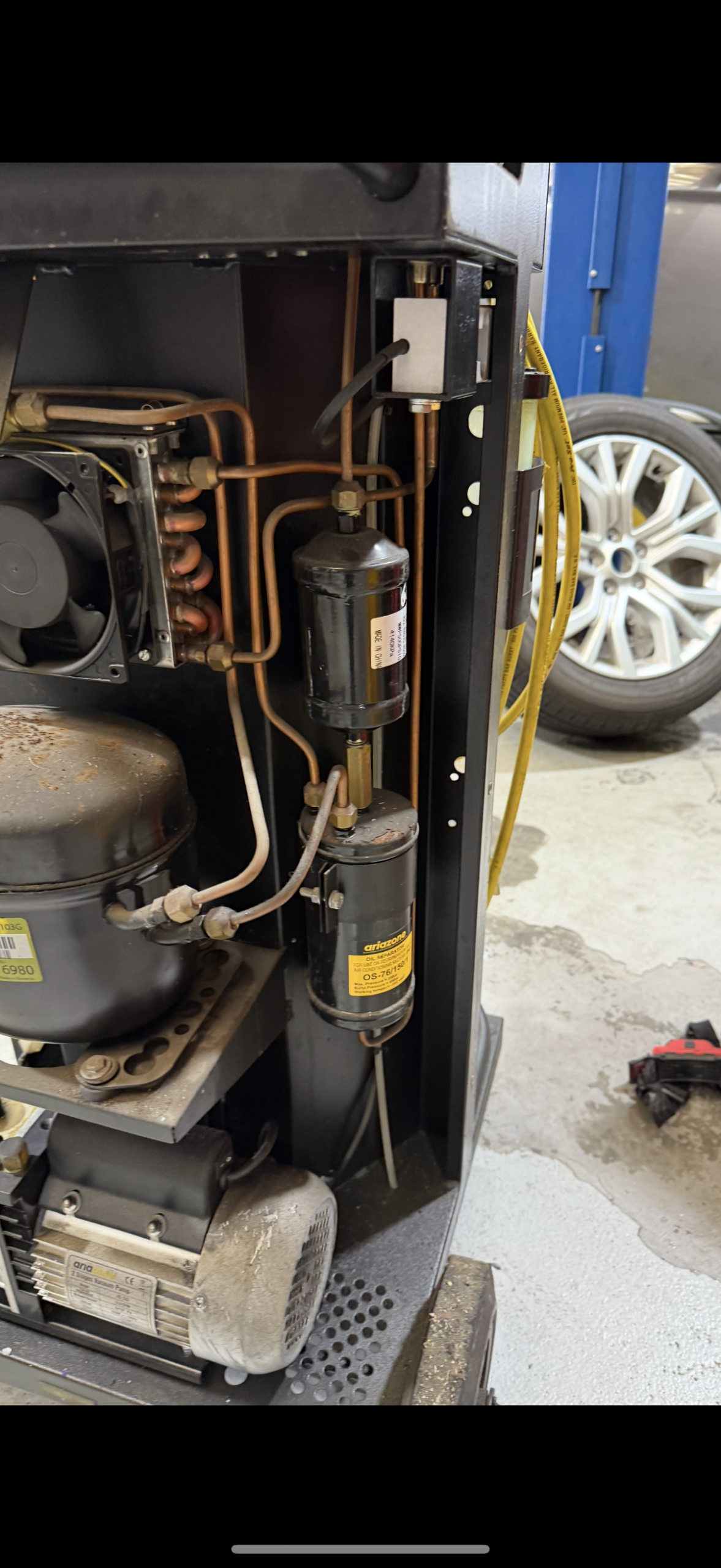
Mobile Roadside Assistance Perth can help with much more than a flat battery or a vehicle that won’t start. “Recently, a gentleman contacted CMM Automotive after accidentally adding too much engine oil to his Toyota LandCruiser.” Soon afterwards, the LandCruiser began producing smoke from the exhaust, leaving the owner concerned that something was seriously wrong.
The customer contacted CMM Automotive and asked us to come to his location, inspect the vehicle and remove the excess engine oil.
What Happens When You Put Too Much Oil in an Engine?
Engine oil is essential for protecting the internal components of an engine. However, having too much oil can also cause problems.
Every engine has a specified oil capacity. When the oil level rises significantly above the maximum mark on the dipstick, the rotating components inside the engine can come into contact with the excess oil. This can cause the oil to become aerated or create excessive oil mist inside the engine.
“Excess oil may travel through the engine’s ventilation system and enter the intake. The engine may then burn the excess oil.” One possible symptom is smoke coming from the exhaust.
Seeing a Toyota LandCruiser suddenly smoking after adding engine oil can understandably be alarming.
Roadside Diagnosis of the Toyota LandCruiser
When CMM Automotive attended the vehicle, we were able to assess the situation at the customer’s location.
“The problem appeared soon after the owner added more engine oil. We checked the dipstick and found the oil level well above the correct range.”
The owner stopped driving the LandCruiser and contacted CMM Automotive for professional assistance.”
“This Toyota LandCruiser callout shows that mobile roadside assistance in Perth covers more than jump starts and flat batteries.”
Removing the Excess Engine Oil
“We drained the excess oil from the Toyota LandCruiser. We then checked the oil level and made sure it was correct.”
“This Toyota LandCruiser callout shows that mobile roadside assistance in Perth covers more than flat batteries and jump starts.”
Sometimes a vehicle may still start and drive, but a mechanical problem makes continuing the journey a bad idea. “Having a mobile mechanic come directly to the vehicle allows us to assess the problem before the owner risks causing further issues.”
Why You Shouldn’t Ignore an Overfilled Engine
If you discover that you have overfilled your engine with oil, don’t assume that more oil means better lubrication.
The correct oil level is important.
“If the oil level is well above the maximum mark, avoid driving the vehicle. This is especially important if the engine starts smoking or running differently.”
Some drivers may be tempted to keep driving and wait for the excess oil to burn away. That isn’t a good approach because you don’t know exactly how much excess oil is in the engine or what effect it may be having.
Removing the excess oil and returning the level to the manufacturer’s recommended range is the safer option.
Mobile Mechanic Roadside Assistance Across Perth
“This Toyota LandCruiser callout shows why an experienced mobile mechanic can be so helpful.”
CMM Automotive provides Mobile Roadside Assistance Perth for a range of common vehicle problems. Depending on the fault, we can carry out roadside diagnosis, battery and charging system testing, jump starts and basic mechanical fault diagnosis.
Where possible, we aim to identify the cause of the problem rather than simply getting the vehicle moving again.
If the vehicle cannot be safely repaired at the roadside, we’ll explain what we’ve found and discuss the most appropriate next step.
Toyota LandCruiser receiving mobile roadside assistance in Perth after being overfilled with engine oil.
Need Roadside Assistance in Perth?
If your car, 4WD, ute or van develops a problem at home, at work or while you’re out on the road, CMM Automotive can come to you.
Whether it’s a vehicle that won’t start, a flat battery, an electrical fault or an unexpected mechanical problem like this overfilled Toyota LandCruiser, professional diagnosis can help determine what needs to be done.
Visit our Mobile Roadside Assistance Perth service page to learn more about our mobile roadside services and how CMM Automotive can help get you moving again.
Frequently Asked Questions
Can too much engine oil cause exhaust smoke?
Yes. Excess engine oil can sometimes enter areas where it is burned by the engine, which may result in smoke from the exhaust.
Can I drive if I have overfilled my engine oil?
If the oil level is significantly above the maximum mark, particularly if the engine is smoking or behaving abnormally, it is better to have the vehicle inspected and the oil level corrected before continuing to drive.
Can CMM Automotive come to my location?
Yes. CMM Automotive provides mobile roadside assistance throughout the Perth metropolitan area.
A Ford Fiesta vehicle inspection Perth recently completed by CMM Automotive in The Vines uncovered several mechanical, electrical and safety concerns. Our inspection identified ECU fault codes, a possible engine oil pressure switch problem, poor front tyres, deteriorated front brake rotors and several other issues.
A professional pre-purchase inspection can reveal problems that a buyer may not notice during a quick look or short test drive. Finding these issues before purchasing a used vehicle can also help the buyer understand potential repair and maintenance costs.
Ford Fiesta Interior Inspection
We started the inspection by checking the vehicle’s interior, controls and electrical equipment.
The driver’s floor carpet had holes and showed signs of wear. We also noticed that the interior rear-view mirror was loose and required attention.
During our initial checks, the left-hand front electric window did not operate. Interestingly, the window began working later in the inspection. An intermittent electrical problem like this may require further investigation to determine the cause.
Several fault codes were present in the ECU. These included a fault relating to incorrect camshaft and crankshaft correlation, along with an intake camshaft sensor fault.
Camshaft and crankshaft correlation faults deserve further investigation because several mechanical or electrical problems can potentially trigger them.
The engine oil warning light also remained illuminated. Our inspection indicated that the engine oil pressure switch may have a fault. Further testing would help confirm the exact cause before replacing any components.
Engine Bay and Battery Inspection
The battery performed poorly during testing and may require replacement.
We also checked the general condition of the engine bay and surrounding components. During these checks, we noticed that the bonnet stay was not positioned correctly.
Small problems may appear insignificant individually. However, documenting them helps provide the prospective buyer with a more complete assessment of the vehicle.
Front Tyres and Brake Rotors
Our steering, brake and suspension inspection identified further items requiring attention.
Both front tyres required replacement. Tyre condition plays an important role in vehicle safety, handling and braking performance, making this an important consideration when purchasing a used car.
The front brake disc rotors also had considerable marking and rust across their surfaces. Brake repairs and tyre replacement can add to the immediate costs of purchasing a vehicle, so identifying their condition beforehand gives the buyer useful information.
Ford Fiesta Body and Exterior Condition
Several exterior problems were also present.
Damage to the front of the vehicle had smashed the fog light. Both headlights appeared cloudy and would benefit from attention to improve their condition.
We also noticed deterioration in the paint finish around the spoiler, with areas of the clear coating beginning to fail.
Although cosmetic problems may not affect the mechanical operation of a vehicle, they remain important when assessing its overall condition and value.
Ford Fiesta pre-purchase vehicle inspection in The Vines by CMM Automotive.
Ford Fiesta Road Test
A road test provides an opportunity to assess how a vehicle performs under normal driving conditions.
During the road test, the engine warning light remained illuminated. Combined with the ECU fault codes identified during our diagnostic scan, this was an important finding that required further investigation.
We also noticed excessive noise from the exhaust system. The source of the exhaust noise would require further inspection to determine what repairs the vehicle needs.
Why a Pre-Purchase Inspection Matters
This Ford Fiesta vehicle inspection Perth highlights why buyers should consider a professional inspection before purchasing a used vehicle.
Our inspection identified ECU fault codes, an illuminated engine warning light, a possible oil pressure switch fault, poor battery condition, two front tyres requiring replacement and deteriorated front brake rotors. We also found several electrical, interior and exterior concerns.
CMM Automotive provides mobile pre-purchase vehicle inspections across Perth, including The Vines and surrounding suburbs. We inspect vehicles at their location and provide an independent assessment to help customers make a more informed purchasing decision.
If you’re considering buying a Ford Fiesta or another used vehicle, arranging an inspection before completing the purchase could help uncover problems and unexpected repair costs.
Frequently Asked Questions
Should I get a Ford Fiesta inspected before buying?
Yes. A pre-purchase inspection can identify mechanical, electrical, braking, tyre and body concerns that may not be obvious during a short test drive.
Can a vehicle inspection find ECU fault codes?
Yes. Diagnostic scanning can identify stored ECU fault codes and provide valuable information about faults that may require further investigation.
Does CMM Automotive inspect vehicles in The Vines?
Yes. CMM Automotive provides mobile pre-purchase vehicle inspections in The Vines and throughout many areas of Perth.
A Nissan Navara vehicle inspection Perth recently completed by CMM Automotive in Ocean Reef identified several mechanical, safety and maintenance issues. The inspection included the vehicle interior, engine bay, steering, brakes, suspension, body panels and a road test.
Buying a used 4WD or ute can involve significant repair costs if existing problems aren’t identified before the purchase. A professional pre-purchase inspection can help uncover these problems and provide a clearer picture of the vehicle’s overall condition.
Nissan Navara Interior Inspection
We started by checking the interior and general condition of the Navara.
The carpets were dirty, while several door trims had scratches.Further checks revealed a loose glove box and interior lights that did not operate.
We found damage to the vehicle’s antenna. We also found damage to both ignition keys, which needed attention.
While some of these items are relatively minor, they can provide useful information about how previous owners maintained and treated the vehicle.
Engine Oil Leaks Identified
The engine bay inspection revealed several areas requiring further attention.
Firstly, the battery tested poorly and may require replacement.
More importantly, we identified an engine oil leak around the turbo. An additional engine oil leak was found around the rear main seal area. Engine oil was also present on the oil filter.
Oil leaks can vary considerably in severity and repair cost. Identifying their location during a Nissan Navara vehicle inspection Perth gives the potential buyer an opportunity to investigate repair costs before purchasing the vehicle.
Front Suspension, Tyres and Brakes
Several concerns were identified around the front suspension and braking system.
The front struts appeared very old, while the front tyres had developed a lumpy or uneven condition.
The front brake pads had approximately 45% remaining at the time of our inspection.
Although the remaining brake pad material was reasonable, the road test revealed another braking issue. The front brakes produced a noticeable shudder under braking.
Brake shudder can have several possible causes, so further inspection would be required to confirm exactly what repairs are needed.
Rear Suspension, Tyres and Brakes
The rear of the vehicle also required attention.
The rear tyres required replacement, while the rear brake shoes were getting low. We also noted that the rear shock absorbers showed considerable signs of age.
Tyres, brakes, shock absorbers and struts can represent a considerable expense when several components require attention at the same time. These are important costs to consider when assessing the true value of a used vehicle.
Navara Body and Panel Condition
The front bumper had minor scratches and dents. We also found stone chips on the left-hand front guard.
At the rear, the bumper was dented and the tailgate was not opening correctly.
Although cosmetic damage may not prevent a vehicle from being driven, we document these issues so the customer has a better understanding of its overall condition.
Nissan Navara Road Test
The road test is an important part of our mobile pre-purchase vehicle inspections in Perth.
During this road test, the Nissan Navara did not feel particularly comfortable. The vehicle felt slightly rough during testing, and the front brakes produced a noticeable shudder.
Combined with the aged suspension components and tyre condition identified during the physical inspection, these findings were important information for the prospective buyer.
Pre-Purchase Vehicle Inspections Across Perth
This Nissan Navara vehicle inspection Perth demonstrates how several individual problems can quickly add up when purchasing a used vehicle.
The inspection identified engine oil leaks, a poor battery, aged suspension components, tyres requiring attention, low rear brake shoes, brake shudder and several body and interior issues.
CMM Automotive provides mobile pre-purchase vehicle inspections across Perth, including Ocean Reef and surrounding suburbs. We inspect the vehicle at its location and provide an independent assessment of its condition before you make your purchasing decision.
If you’re considering buying a used Nissan Navara, 4WD, ute or passenger vehicle, arranging an inspection before completing the purchase can help you make a more informed decision.
Frequently Asked Questions
Should I inspect a used Nissan Navara before buying?
Yes. A pre-purchase inspection can identify mechanical, suspension, brake, tyre and oil leak concerns that may not be obvious during a short test drive.
Can a pre-purchase inspection identify oil leaks?
Yes. We inspect the engine bay and surrounding components for visible signs of oil and fluid leaks.
Nissan Navara pre-purchase vehicle inspection in Ocean Reef by CMM Automotive.
Does CMM Automotive inspect vehicles in Ocean Reef?
Yes. CMM Automotive provides mobile pre-purchase vehicle inspections in Ocean Reef and throughout many areas of Perth.
ASubaru Outback vehicle inspection Perth recently carried out by CMM Automotive in Wanneroo identified several mechanical, electrical and safety-related problems. Some of these faults may not have been immediately obvious to someone inspecting the vehicle without professional equipment.
A pre-purchase inspection can provide valuable information about a vehicle’s condition before you commit to buying it. This Subaru Outback is a good example of why checking more than the vehicle’s external appearance is important.
Subaru Outback Diagnostic Scan
As part of the vehicle inspection, we carried out an electronic diagnostic scan. Several ECU fault codes were present:
P1603 – Engine Stall
P1604 – Stability Malfunction
C1935 – Ignition Switch Circuit
B14A5 – Refrigeration Flow Sensor Invalid
Fault codes can provide important information about previous or current problems within a vehicle.
However, a fault code doesn’t always confirm that a particular component requires replacement. Further diagnosis may be necessary to determine the cause of the fault.
Several other problems were identified during the inspection.
The windscreen wiper blades were in very poor condition and were hanging off. Wipers are an important safety item and should provide the driver with clear visibility during wet weather.
We also found that the vehicle’s side camera was not operating correctly.
The left-hand rear door lock was another item requiring attention, as it was not working during our inspection.
Engine Bay Inspection
Our engine bay inspection identified two areas requiring attention.
The battery tested low and may require replacement. A weak battery can potentially cause starting problems and other electrical issues, particularly as its condition continues to deteriorate.
We also identified an oil leak from the power steering pump. Oil leaks should be investigated before they become more severe or cause additional problems.
Finding issues like these before purchasing a vehicle gives the buyer an opportunity to consider potential repair costs.
The rear brake pads were worn out and required attention. The rear brake disc rotors were also worn and required replacement.
Brake condition is an important part of any pre-purchase vehicle inspection because repairs can add considerably to the cost of purchasing a used vehicle.
Identifying worn brakes before buying allows the customer to factor these repairs into their purchasing decision.
Body and Exterior Condition
The vehicle also had some visible cosmetic damage.
We noted scratching on the front bumper during the inspection. While cosmetic damage may not affect how the vehicle drives, documenting it helps provide the buyer with a more complete picture of the vehicle’s overall condition.
Subaru Outback Road Test
A road test can reveal problems that aren’t always noticeable while a vehicle remains stationary.
During the road test, we found that this Subaru Outback pulled to the left.
A vehicle pulling to one side can have several possible causes. These may include wheel alignment, tyre condition, suspension components or other steering-related issues. Further investigation would be required to determine the exact cause.
Why a Pre-Purchase Vehicle Inspection Matters
This Subaru Outback demonstrates why a professional inspection can be valuable before buying a used vehicle.
Although some problems were relatively minor, the inspection also identified worn rear brakes and rotors, a leaking power steering pump, a weak battery, several ECU fault codes and an issue during the road test.
At CMM Automotive, we provide mobile pre-purchase vehicle inspections across Perth. We inspect the vehicle at its location and provide an independent assessment to help you make a more informed purchasing decision.
If you’re considering buying a used Subaru Outback or another second-hand vehicle, arranging an inspection before completing the purchase could help identify problems that may otherwise be missed.
Subaru Outback pre-purchase vehicle inspection in Wanneroo by CMM Automotive.
Frequently Asked Questions
Should I get a Subaru Outback inspected before buying?
Yes. A professional pre-purchase inspection can identify mechanical, electrical, safety and maintenance issues that may not be obvious during a quick test drive.
Do you provide mobile vehicle inspections in Wanneroo?
Yes. CMM Automotive provides mobile vehicle inspections in Wanneroo and throughout many areas of the Perth metropolitan area.
Can a vehicle inspection detect ECU fault codes?
Yes. Diagnostic scanning can identify stored fault codes that may indicate current or previous problems requiring further investigation.
Breaking down is never convenient. Whether your vehicle won’t start at home, your battery has gone flat at work or you’ve broken down on the roadside, CMM Automotive provides professional Mobile Roadside Assistance Perth drivers can rely on. We understand how stressful roadside breakdowns can be, which is why we aim to respond promptly and get you safely back on the road as quickly as possible.
At CMM Automotive, we understand how stressful roadside breakdowns can be. That’s why we aim to respond promptly and provide professional our roadside breakdown services, helping drivers get safely back on the road with as little disruption as possible.
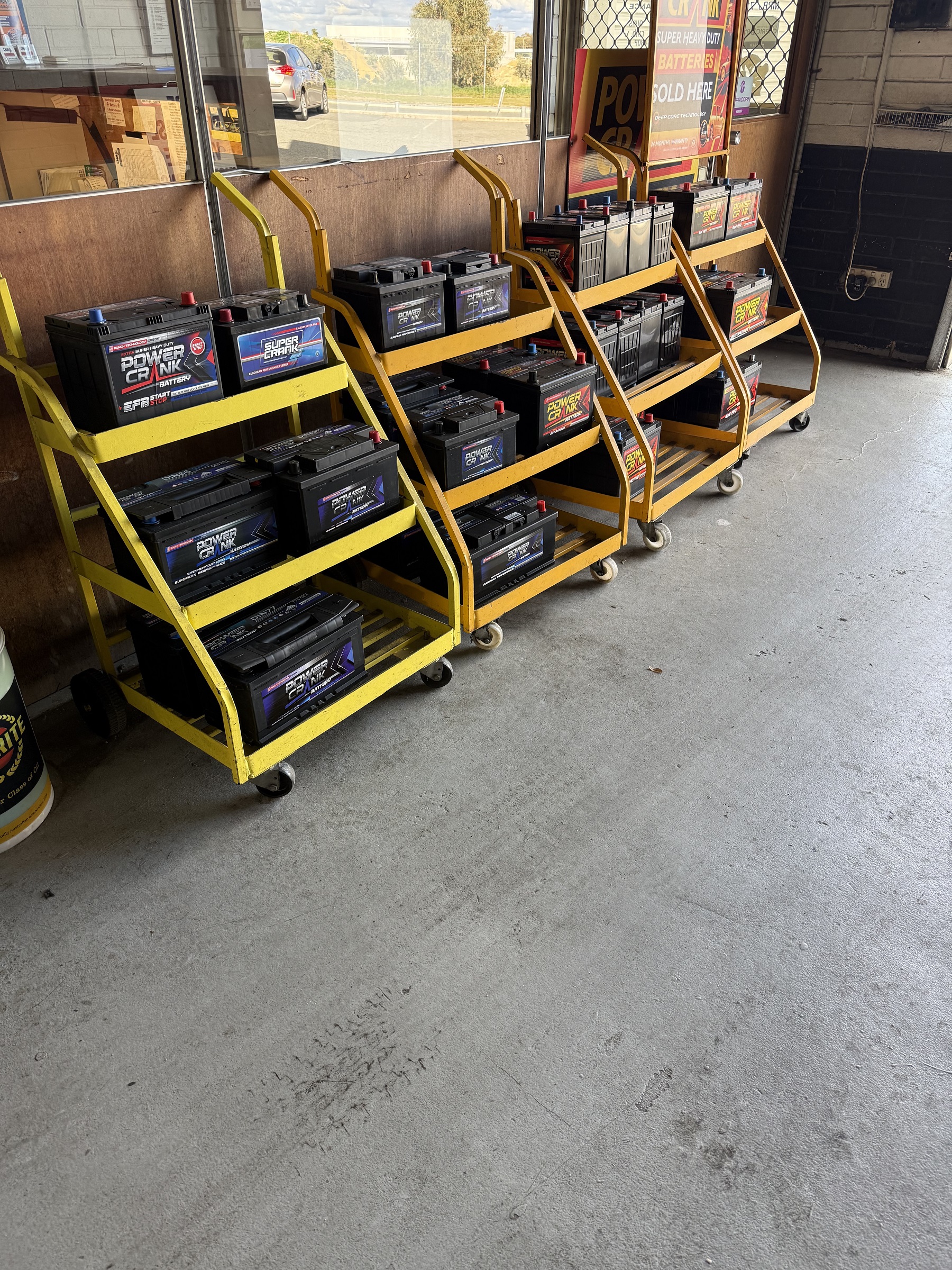
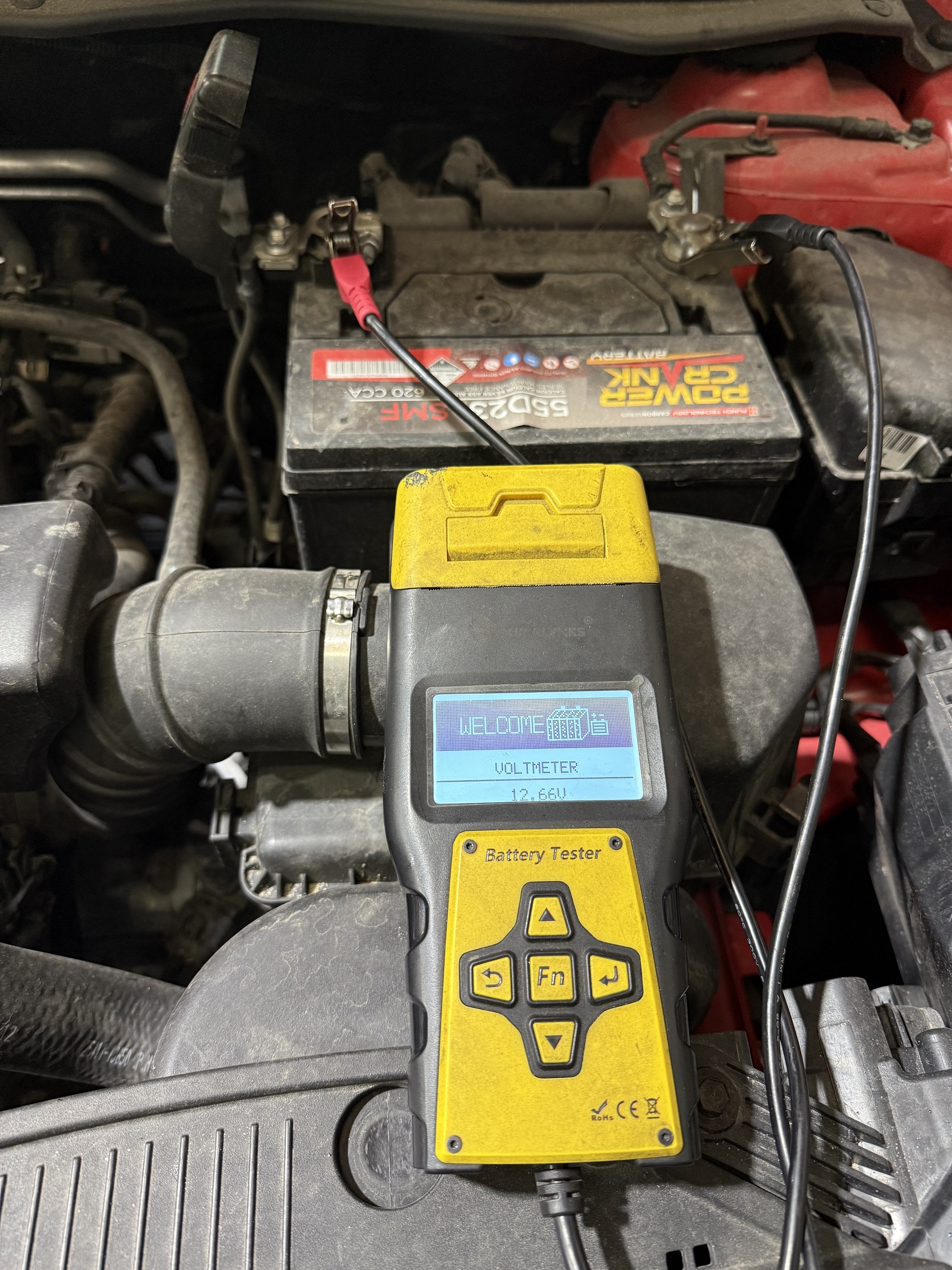
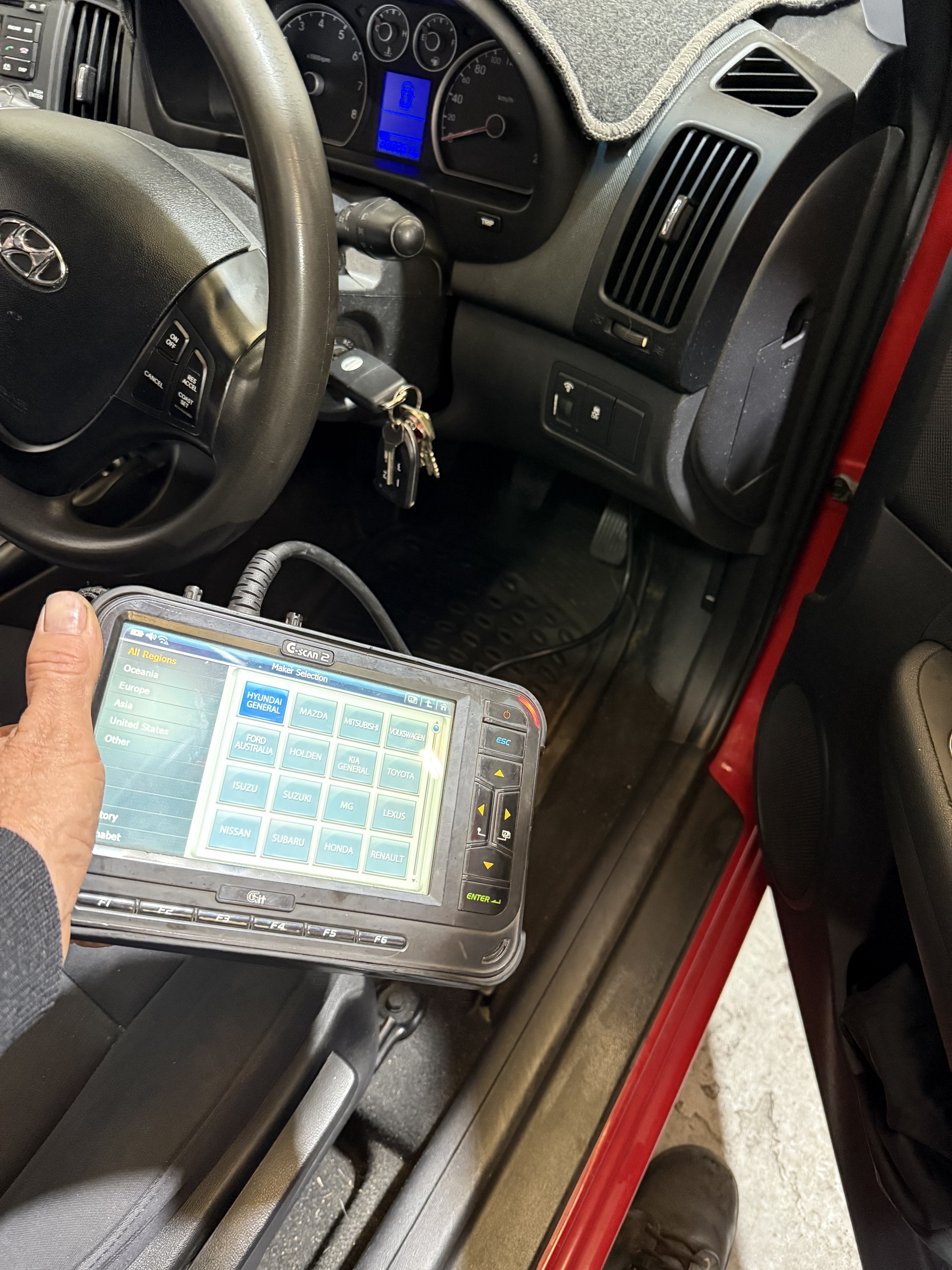
Our fully equipped service vehicles carry the tools and equipment needed to handle many common roadside problems. Rather than arriving with only a set of jumper leads, we carry professional diagnostic equipment, battery testing equipment and a range of replacement batteries suitable for many passenger vehicles and light commercial vehicles.
Our fully equipped mobile service vehicles help us diagnose and resolve many common roadside breakdowns throughout Perth.
Fast Breakdown Assistance Across Perth
Every roadside breakdown is different.
Some vehicles simply have a flat battery that requires a jump start, while others may have charging system faults, starter motor problems or electrical issues that prevent the vehicle from starting.
Our experienced technician doesn’t rely on guesswork. We carry out professional roadside diagnosis to identify the cause of the problem before recommending the most appropriate repair.
By understanding why your vehicle has broken down, we can often prevent repeated breakdowns and unnecessary replacement of parts that are still operating correctly.
Well-Equipped Service Vehicles
CMM Automotive’s mobile service vehicles carry professional tools and equipment to assist with many common roadside faults.
Depending on the vehicle and the fault, we may be able to provide:
Flat battery jump starts.
Battery testing.
Replacement batteries.
Alternator charging system testing.
Starter motor diagnosis.
Basic electrical fault diagnosis.
Vehicle starting system checks.
Professional automotive advice.
Having the right equipment available allows us to diagnose many roadside problems quickly and efficiently.
Experienced Automotive Technicians
Good roadside assistance involves more than simply getting a vehicle started.
Our technician has extensive automotive experience and understands how to diagnose many common vehicle faults while you’re still at the roadside.
We explain our findings clearly before recommending repairs. This helps you understand the fault before we carry out any work.
Helping Perth Drivers Get Moving Again
CMM Automotive provides professional mobile roadside assistance throughout Perth. We can come to your home, workplace or another suitable location to help get you moving again safely.
If we can repair the problem at the roadside, we’ll do everything we reasonably can to help.
If your vehicle needs further repairs, we’ll explain exactly what we’ve found. We’ll then discuss the most appropriate solution with you.
Professional roadside assistance is about providing reliable help, honest advice and quality workmanship when you need it most.
When your car air conditioning stops blowing cold air, it’s easy to assume the system simply needs a regas. In reality, poor cooling performance can have many different causes. Without a professional car air conditioning system diagnosis, replacing parts or adding more refrigerant may only provide a temporary solution while the real problem remains.
At CMM Automotive, every mobile car air conditioning repair begins with a thorough diagnosis. We believe it’s important to identify the source of the fault before recommending repairs. This approach helps our customers avoid unnecessary costs while ensuring the correct repair is carried out the first time.
Why Diagnosis Comes Before Repairs
Modern vehicle air conditioning systems are made up of several components that work together to keep the cabin cool. If just one component fails, the entire system may stop operating correctly.
Common causes of poor air conditioning performance include:
Refrigerant leaks.
Worn compressors.
Faulty condensers.
Leaking evaporators.
Damaged hoses or pipework.
Electrical faults.
Cooling fan problems.
Pressure switch failures.
Although many of these faults produce similar symptoms, they require completely different repairs. That’s why professional diagnosis is so important.
Professional car air conditioning system diagnosis helps identify the cause of poor cooling performance before any repairs or regas are recommended.
Professional Car Air Conditioning Diagnosis
At CMM Automotive, we use professional testing equipment to determine why your air conditioning system has stopped cooling.
Depending on the symptoms, our diagnosis may include:
Recovering the remaining refrigerant.
Nitrogen pressure testing for refrigerant leaks.
Visual inspection of air conditioning components.
Operating pressure checks.
Vent temperature testing.
Compressor performance checks.
Electrical system testing.
Charging system inspection where required.
By completing these tests, we can identify the cause of the problem before recommending repairs.
Why a Regas Isn’t Always the Answer
One of the biggest misconceptions is that every air conditioning fault requires a regas.
If the system has lost refrigerant because of a leak, adding more refrigerant without repairing the fault will usually result in the system losing its cooling performance again. This can lead to repeated regassing, unnecessary expense and continued frustration.
Professional car air conditioning leak detection allows us to locate the source of the refrigerant loss before recommending the most appropriate repair.
Saving You Time and Money
Professional diagnosis often saves money in the long run.
Rather than replacing parts based on guesswork, we identify the fault first and explain our findings clearly. This allows you to understand the condition of your vehicle and decide on the most appropriate repair.
Our goal is simple — diagnose the fault first, recommend the correct repair second.
Choose CMM Automotive for Mobile Car Air Conditioning Diagnosis
We come directly to your home or workplace with professional diagnostic equipment, identify the cause of the fault and explain our findings before recommending repairs. Whether the problem is a refrigerant leak, compressor fault, condenser failure or another air conditioning issue, we’ll help you understand exactly what’s required to restore reliable cooling performance.
Professional diagnosis gives you confidence that you’re repairing the actual fault—not simply treating the symptoms.
Used Hyundai Elantra inspection Perth is one of the smartest investments you can make before buying a second-hand vehicle. Although the Hyundai Elantra has earned a reputation for reliability and affordability, buyers should never assume every used example is free from costly mechanical or safety issues.. During our inspection of this 2009 Hyundai Elantra in Northbridge, we uncovered several faults that every potential buyer should consider before signing the paperwork.
At CMM Automotive, our mobile inspections give buyers an independent assessment of a vehicle’s condition before they commit to buying. We inspect the interior, engine bay, steering, brakes, suspension, bodywork and road performance so you understand exactly what you’re buying.
Interior Condition and Safety Equipment
The interior of this Hyundai Elantra showed the normal signs of use you would expect from a vehicle of its age, but several items require attention.
Minor scuff marks were present on the door trims, and the roof lining had visible marks that affected the overall presentation of the vehicle.
Replace the front wiper blades to maintain clear visibility during wet weather.
The cigarette lighter socket was not working, which may inconvenience drivers who use phone chargers, GPS units or other 12-volt accessories.
More importantly, we found that the left-hand front door lock was faulty, and the centre rear seatbelt would not retract correctly. We recommend repairing the seatbelt immediately because it may not provide the intended protection during an accident.
The remote locking system also failed to operate the left-hand front door, which appears to be related to the faulty door lock mechanism.
Engine Bay Inspection
The engine bay revealed several mechanical issues that buyers should budget to repair.
Battery testing showed the battery was below specification and nearing the end of its service life. A weak battery can lead to unreliable starting and unexpected breakdowns, particularly during colder weather.
The most significant fault was a leaking water pump.
Water pumps are a critical part of the cooling system, circulating coolant through the engine to control operating temperature. Repair the leaking water pump promptly because continued coolant loss can cause the engine to overheat, leading to major engine damage and expensive repairs.
We also found cracks and splits in the air conditioning belt and the remaining accessory drive belts.
We recommend replacing worn belts before they fail because doing so helps prevent breakdowns and expensive repairs.
Steering, Brakes and Suspension
Our inspection found that the front brake pads had worn beyond their serviceable limit and now require replacement.
Safe braking performance depends on good-quality brake components, so we recommend replacing the front brake pads before driving the vehicle regularly.
We also found excessive inner edge wear on the front tyres.
This type of tyre wear commonly indicates incorrect wheel alignment, worn suspension components or steering geometry issues. Simply replacing the tyres without correcting the underlying cause may result in the new tyres wearing unevenly as well.
TThe rear brakes appear relatively new, and our inspection found them in good condition.
Chassis and Body Inspection
The body presented reasonably well overall, although several cosmetic issues were identified.
The front bumper had minor scuff marks, including additional scuffing on the inner section of the bumper.
The headlight lenses had started to fade, reducing the vehicle’s appearance and potentially affecting night-time visibility.
We recommend replacing the bald spare tyre before you need it in an emergency.
We also found several minor dents on the roof, together with general cosmetic wear that is consistent with the vehicle’s age.
Used Hyundai Elantra Inspection Perth | 2009 Model in Northbridge
Road Test Results
During our road test, the Hyundai Elantra consistently pulled to the right while driving.
A vehicle that pulls to one side should always be investigated. Common causes include incorrect wheel alignment, uneven tyre wear, tyre pressure differences or worn steering and suspension components.
Because we also found significant inner edge wear on the front tyres, we recommend carrying out a complete wheel alignment and suspension inspection before purchasing the vehicle.
The leaking water pump represents the highest repair priority because cooling system failures can quickly become expensive if left unattended. The poor battery, cracked drive belts, worn front brake pads, faulty door locking system and excessive front tyre wear will also require attention.
Although many of the remaining faults are cosmetic, they still contribute to the overall cost of bringing the vehicle up to a good standard.
A professionalused Hyundai Elantra inspection Perth provides buyers with independent information that can help negotiate a better purchase price, budget for future repairs and avoid unexpected surprises after taking ownership.
Before purchasing any used vehicle, we recommend arranging a professional inspection to help identify hidden faults, avoid unexpected repair costs and make an informed buying decision.To book a inspection press HERE
Yes. We recommend repairing the leaking water pump as soon as possible because coolant loss can cause the engine to overheat and suffer serious internal damage.
What causes inner edge tyre wear?
Inner edge tyre wear is commonly caused by poor wheel alignment, worn suspension components or steering issues. A professional inspection helps identify the underlying cause.
Is a weak battery worth replacing before selling a car?
Yes. Replacing a weak battery improves reliability and can prevent starting problems for the next owner.
Why is a vehicle pulling to the right?
A pull to one side can result from wheel alignment issues, uneven tyre wear, incorrect tyre pressures or worn steering and suspension components. The cause should always be diagnosed before purchase.
Why have a professional used car inspection before buying?
A professional inspection identifies mechanical, safety and cosmetic issues that are easy to overlook during a private inspection. It gives buyers confidence, helps with price negotiations and reduces the risk of unexpected repair costs after purchase.
Used 100 Series LandCruiser inspection Perth helps buyers identify expensive mechanical problems before purchasing one of Australia’s most sought-after four-wheel drives. During our inspection of this turbo diesel 100 Series LandCruiser in Hillarys, we found several mechanical, suspension and body faults that buyers should understand before committing to the purchase.
The Toyota 100 Series LandCruiser has earned an excellent reputation for durability and off-road capability. However, most examples are now over twenty years old, so age-related wear becomes just as important as kilometres travelled. A professional inspection can reveal hidden problems that are difficult to spot during a quick inspection or short test drive.
Vehicle Interior
We started by inspecting the locks, controls and interior components.
We found that the driver’s door lock was broken and would not accept the key. The rear door lock also failed to operate, and the surround for the rear door lock was missing.
These faults affect both convenience and security. Replacement locks and matching keys can become expensive, particularly if several locks require replacement or re-keying.
The rear wiper blade also needs replacing to maintain good visibility during wet weather.
Engine Bay Inspection
Our inspection uncovered several maintenance concerns in the engine bay.
We found corrosion developing on the radiator hoses, which suggests they are ageing and should be monitored or replaced before they fail.
We also found oil leaks along the left-hand side of the engine and additional oil leakage from the power steering system.
The coolant appeared dirty, indicating the cooling system is due for servicing. Neglecting coolant maintenance can shorten the life of the radiator, water pump and engine.
We tested both batteries and found the passenger-side battery below specification. A weak battery can create starting problems and place extra strain on the charging system, particularly on a turbo diesel LandCruiser.
Steering, Brakes and Suspension
Our inspection identified several wear items underneath the vehicle.
The steering box is leaking oil and will eventually require repair.
We also found wear in the front suspension bushes and additional wear in the rear leaf spring and control arm bushes. Worn suspension bushes reduce handling precision and often contribute to uneven tyre wear and poor ride quality.
The transfer case is leaking oil, which should not be ignored. Low oil levels can accelerate wear inside the transfer case and lead to costly repairs.
Used 100 Series LandCruiser Inspection Perth | Turbo Diesel in Hillarys
We also found grease leaking from the clamp on the right-hand inner CV boot. Repairing this fault early may prevent contamination and help extend the life of the CV joint.
Surface rust is visible on the rear shock absorbers and suspension components. While the rust appears consistent with age, buyers should continue to monitor these areas during future servicing.
Chassis and Body Condition
Age-related deterioration was also evident around the exterior.
All window seals have cracked and started to deteriorate. Perished seals often allow wind noise and water leaks into the cabin.
The driver’s door handle is faulty, and the rear door lock cover is missing.
We also found areas where the clear coat has started to peel away from the paintwork. Although this issue is cosmetic, repainting affected panels can become expensive if the deterioration continues.
Road Test Findings
During our road test, we noticed a slight brake shudder under braking.
Brake shudder commonly results from disc rotor wear or uneven rotor surfaces. We recommend inspecting the brake discs and pads to determine whether machining or replacement is required.
The most significant concerns include multiple oil leaks, a leaking steering box, transfer case oil leakage, worn suspension bushes and a weak battery. The ageing window seals, faulty locks and deteriorating paint also add to the overall repair costs.
Despite these faults, many 100 Series LandCruisers remain excellent long-term vehicles when owners maintain them properly. However, buyers should always understand the repair costs before purchasing an older turbo diesel four-wheel drive.
A professional used 100 Series LandCruiser inspection Perth gives buyers the confidence to negotiate a fair price, budget for future repairs and avoid unexpected surprises after taking ownership.
Frequently Asked Questions
Are oil leaks common on a 100 Series LandCruiser?
Yes. As these vehicles age, engine, power steering and transfer case oil leaks become increasingly common. The severity of each leak determines whether it requires immediate repair.
Should I worry about worn suspension bushes?
Yes. Worn bushes can affect handling, steering feel and tyre wear. Replacing them restores ride quality and helps maintain safe handling.
Is a leaking steering box expensive to repair?
Repair costs vary depending on the severity of the leak. Some steering boxes can be resealed, while others require replacement or reconditioning.
Is a 100 Series LandCruiser still worth buying?
Many are excellent vehicles, but because of their age, a professional inspection is highly recommended before purchase to identify mechanical wear and negotiate the correct price.
Mitsubishi Outlander pre purchase vehicle inspection Perth helps buyers uncover hidden mechanical, electrical and safety issues before purchasing a used vehicle. During our inspection of this Mitsubishi Outlander in Belden, we found several faults that could affect reliability, safety and future repair costs. A professional inspection gives buyers the information they need to negotiate confidently or avoid an expensive mistake.
The Mitsubishi Outlander remains one of Perth’s most popular family SUVs because it offers good practicality, comfort and value for money. However, like any used vehicle, regular wear and hidden faults can quickly turn a bargain into an expensive purchase. Our inspection covered the interior, electronic systems, engine bay, suspension, tyres, body condition and a comprehensive road test.
Vehicle Interior and Electronic System Checks
We started by checking the vehicle’s interior and electronic systems before carrying out a full diagnostic scan.
The rear wiper blade needs replacing to maintain clear visibility during wet weather.
Our diagnostic scan also revealed three fault codes relating to the rear parking sensor system:
B253D – Left-hand rear centre parking sensor circuit fault
These fault codes suggest problems within the rear parking assistance system. The issue may involve faulty sensors, damaged wiring or poor electrical connections. While these faults do not normally affect how the vehicle drives, they reduce the effectiveness of the parking assistance system and should be repaired.
Engine Bay Inspection
We tested the battery and found it well below specification.
Although the battery carries a rating of 600 Cold Cranking Amps (CCA), our test measured only 322 CCA, indicating the battery has lost a significant amount of its starting capacity.
A weak battery can cause difficult starting, especially during colder weather, and may also contribute to electrical faults on modern vehicles.
We also found cracks and splits in the fan belt.
A cracked drive belt can fail without warning, leaving the vehicle without charging, power steering assistance or air conditioning. Replacing the belt before it fails is far less expensive than dealing with a roadside breakdown.
Steering, Brakes and Suspension
Our inspection found excessive shoulder wear on both rear tyres.
Shoulder wear often indicates incorrect wheel alignment, worn suspension components or incorrect tyre pressures. Simply fitting new tyres without correcting the underlying cause may result in the replacement tyres wearing out prematurely.
We recommend checking the wheel alignment and suspension before fitting new tyres.
Chassis and Body Condition
Our inspection found several cosmetic faults around the vehicle.
The left-hand door seal is hanging loose and should be refitted or replaced to prevent water leaks and excessive road noise.
We also found large cracks or heavy scratches in the right-hand side repeater light lens. Damaged lenses can allow moisture into the light assembly and may eventually cause electrical problems.
The spare tyre has worn beyond its serviceable limit and needs replacing before you rely on it during an emergency.
We also found a broken aerial mount. Although this fault mainly affects radio reception, it may also allow water to enter if left unrepaired.
Road Test Findings
During our road test, we found the Mitsubishi Outlander consistently pulled to the left-hand side.
Several issues can cause a vehicle to pull, including incorrect wheel alignment, uneven tyre wear, worn suspension components or tyre pressure differences. Because the rear tyres already show significant shoulder wear, we recommend carrying out a complete wheel alignment and suspension inspection before purchasing the vehicle.
A vehicle that pulls to one side can become tiring to drive and may indicate suspension or steering issues that require attention.
The most significant concerns include the weak battery, three parking sensor fault codes, a cracked fan belt, excessive rear tyre wear and the steering pull during the road test. Although the remaining body faults are relatively minor, they still add to the overall repair costs.
Mitsubishi Outlander Pre Purchase Vehicle Inspection Perth | Beldon
None of these issues automatically make the vehicle a poor purchase. However, buyers should factor the cost of repairs into the purchase price and ask the seller to explain the cause of the steering pull before committing to the vehicle.
Yes. A weak battery can create voltage fluctuations that trigger electrical faults or communication errors on modern vehicles.
What causes shoulder wear on tyres?
Incorrect wheel alignment, worn suspension parts and incorrect tyre pressures commonly cause excessive shoulder wear.
Are parking sensor faults expensive to repair?
Not always. A technician may only need to replace a faulty sensor or repair damaged wiring, although diagnosis is essential before replacing parts.
Should I buy this Mitsubishi Outlander?
The vehicle may still represent good value if the purchase price reflects the repairs it needs. A pre-purchase inspection helps you understand those repair costs before you commit to buying.
Buying a used SUV can be an excellent investment, but only if you know exactly what you’re purchasing. This 2015 Honda HR-V prepurchase vehicle inspection Perth was completed by CMM Automotive at Melville Motors in Attadale to identify hidden faults before the customer committed to buying the vehicle.
The Honda HR-V has built a solid reputation for reliability, fuel economy and practicality, making it a popular choice for Perth drivers. However, even dependable vehicles can develop expensive problems as they age. A professional inspection helps uncover mechanical, electrical and safety issues that may not be obvious during a short test drive.
2015 Honda HR-V pre purchase vehicle inspection Perth helps buyers uncover hidden faults before purchasing a used vehicle. During our 2015 Honda HR-V pre purchase vehicle inspection Perth at Melville Motors in Attadale, we found several mechanical, electrical and cosmetic issues that could affect the vehicle’s safety, reliability and overall value.
Vehicle Interior and Electronic System Checks
One of the first concerns identified during this inspection was the presence of multiple diagnostic fault codes.
The scan tool detected the following:
Electric Park Brake Power Supply fault (U-30016)
Vehicle Stability Assist malfunction (U-04168)
VSA Modulator Control Unit power supply fault (61-11)
Although dashboard warning lights may sometimes be cleared before a vehicle is offered for sale, these stored fault codes indicate there are electrical issues that require further diagnosis.
Modern Hondas rely heavily on electronic safety systems. The electric park brake and Vehicle Stability Assist (VSA) system work together to help maintain vehicle control and braking performance. Any interruption to the power supply or communication between these systems should be investigated before purchase.
Electrical faults can sometimes be as simple as a weak battery, but they may also indicate wiring problems, poor earth connections, charging system faults or control module failures.
Engine Bay Inspection
During the engine bay inspection, the battery tested below specification.
A weak battery can create numerous electronic fault codes, particularly on late-model vehicles with sophisticated control systems. Before replacing expensive modules, the battery and charging system should always be tested and repaired if necessary.
Another issue noted was a minor noise coming from the air conditioning compressor area.
The noise appears consistent with early wear in the air conditioning compressor bearing. While the air conditioning may still operate correctly, noisy compressor bearings rarely improve with time. If ignored, bearing failure can eventually damage the compressor, belt or clutch assembly, leading to a significantly more expensive repair.
Steering, Brakes and Suspension
The front lower control arm bushes were beginning to show minor cracking.
Small cracks are common as suspension bushes age, but they should be monitored carefully. As deterioration progresses, worn bushes can affect steering precision, braking stability and tyre wear.
The left-hand front alloy wheel also showed evidence of kerb damage.
Although cosmetic in many cases, heavy kerb impacts can sometimes affect wheel balance or even bend the rim. A close inspection is recommended whenever significant wheel damage is present.
Tyre Condition
Tyres were one of the biggest concerns during this inspection.
The front tyres were worn beyond their useful service life and require replacement.
The rear tyres showed noticeable scalloping.
Scalloped tyres often produce a humming or droning noise while driving and usually indicate suspension wear, poor wheel alignment or tyres that have spent long periods running out of balance.
Replacing tyres without correcting the underlying cause may simply result in premature wear occurring again.
Chassis and Body Condition
Several areas of exterior body damage were identified.
The inspection found:
Damage to the left-hand front moulding
Damage to the left-hand side skirt moulding
Left-hand rear side skirt moulding damaged and incorrectly fitted
While these faults are primarily cosmetic, incorrectly fitted body mouldings can indicate previous repairs or impact damage. Loose trim pieces can also detach while driving and should be repaired properly.
Whenever multiple damaged exterior trims are found on one side of a vehicle, it is worth investigating whether the vehicle has previously suffered side impact damage or poor-quality repairs.
Road Test Findings
During the road test, we heard a noticeable noise while driving.
The noise appeared to originate from either the tyres or the wheel bearings.
The badly worn front tyres and scalloped rear tyres prevented us from positively identifying the source of the noise during the inspection.
Fit new tyres first, then road test the vehicle again. If the noise remains, inspect the wheel bearings to determine whether they are causing the problem.
This is an excellent example of why replacing worn tyres before diagnosing bearing noise is often the most logical and cost-effective approach.
Overall Assessment
This 2015 Honda HR-V pre purchase vehicle inspection Perth uncovered several issues that every buyer should consider before purchasing the vehicle.
The most significant concerns were the multiple electronic fault codes relating to the Vehicle Stability Assist and electric park brake systems, the low battery, worn tyres, scalloped rear tyres and possible air conditioning compressor bearing noise.
The suspension bushes are beginning to show age-related wear, while the damaged body mouldings suggest the vehicle may have experienced cosmetic damage. We recommend investigating the previous repairs before buying the vehicle.
None of these faults automatically make the vehicle a poor purchase, but they should certainly influence the purchase price. The electrical faults should be diagnosed properly before any commitment is made, as repair costs can vary significantly depending on the root cause.
A professional Honda HR-V inspection Perth provides buyers with the confidence to negotiate repairs, request a lower purchase price or walk away from a vehicle that may become unexpectedly expensive to own.
At CMM Automotive, ourmobile pre purchase vehicle inspections help Perth buyers make informed decisions by uncovering hidden problems before money changes hands.
2015 Honda HR-V Pre Purchase Vehicle Inspection Perth | Attadale
Yes. A low battery voltage can generate multiple communication and stability control fault codes. Replace the battery first, then retest the fault codes to confirm whether an underlying electrical problem still exists.
What causes scalloped tyres?
Worn suspension components, poor wheel alignment, wheel balancing issues and faulty shock absorbers commonly cause scalloped tyres.
Is a noisy air conditioning compressor expensive to repair?
It depends on the cause. A worn compressor bearing may be repairable early, but if left too long the entire compressor assembly may require replacement.
Should I buy a Honda HR-V with these faults?
The vehicle may still represent good value if the purchase price reflects the required repairs. A thorough inspection allows buyers to negotiate confidently and avoid unexpected repair bills later.
If yourcar AC not turning on or suddenly blowing no cold air, it can make driving uncomfortable—especially during Perth’s hot summer months. Sometimes the problem is simple, such as a blown fuse or a faulty switch. In other cases, it may indicate a refrigerant leak, compressor failure or an electrical fault that requires professional diagnosis.
The good news is that most air conditioning problems give warning signs before major repairs are needed.
At CMM Automotive, we provide a professional mobile car air conditioning service throughout Perth, diagnosing air conditioning faults at your home or workplace so you can get back to driving in comfort.
Check the Simple Things First
Before assuming there’s a major fault, there are a few basic checks you can perform.
Ask yourself:
Is the AC button switched on?
Is the blower fan operating?
Are all fan speeds working?
Is the temperature set to cold?
Is the engine running?
Has the problem appeared suddenly?
If everything appears normal but there is still no cold air, professional testing is recommended.
Low Refrigerant Is One of the Most Common Causes
Modern air conditioning systems rely on the correct amount of refrigerant.
If the refrigerant level becomes too low because of a leak, many systems will prevent the compressor from operating to protect it from damage.
Common signs include:
Air is no longer cold.
Compressor does not engage.
Cooling gradually became weaker.
The system worked normally last summer but not now.
Simply adding more refrigerant without finding the leak usually provides only a temporary solution.
Compressor Problems
The car AC compressor is responsible for circulating refrigerant through the system.
If the compressor or compressor clutch fails, the system cannot produce cold air.
Symptoms may include:
No cooling at all
Clicking noises
Grinding sounds
Compressor clutch not engaging
Intermittent cooling
Professional diagnosis determines whether the fault is mechanical, electrical or refrigerant related.
Electrical Faults Can Stop the Entire System
Modern vehicles rely on numerous electrical components to operate the air conditioning system.
Problems may involve:
Blown fuse
Faulty relay
Pressure switch fault
Wiring issues
Faulty climate control module
Failed sensor
These faults often require specialised diagnostic equipment to identify accurately.
Cooling Fans May Be the Problem
Many people assume the compressor has failed when the real problem is insufficient airflow through the condenser.
If the radiator or condenser cooling fans aren’t operating correctly:
Air may feel cool while driving.
Cooling disappears at traffic lights.
Air becomes warm when idling.
System pressures increase.
Cooling fan faults are relatively common and should always be checked during diagnosis.
Could the Cabin Filter Be Blocking Airflow?
A severely blocked cabin air filter can restrict airflow through the evaporator.
While it usually won’t stop the air conditioner producing cold air, it can make the system feel much less effective.
Replacing the cabin filter is a simple maintenance item that helps improve both cooling performance and cabin air quality.
Did You Know?
Did You Know?
Many drivers assume their air conditioner only needs a regas when it stops cooling.
In reality, low refrigerant is only one of many possible causes. Electrical faults, compressor problems, sensors and cooling fan issues can all produce similar symptoms.
How We Diagnose Air Conditioning Faults
At CMM Automotive, we don’t guess—we diagnose.
Ourmobile car air conditioning service includes a systematic inspection of the entire system to identify the real cause of the problem before recommending any repairs.
Our inspection may include:
Refrigerant pressure testing
Compressor clutch operation
Electrical testing
Fuse and relay checks
Cooling fan inspection
Leak detection
Vent temperature testing
System performance testing
Visual inspection of hoses and components
This process helps avoid unnecessary parts replacement and ensures the correct repair is carried out.
Why You Shouldn’t Ignore No Cold Air
Driving without air conditioning may seem like a minor inconvenience, but continuing to operate a faulty system can sometimes lead to more extensive repairs.
For example:
A refrigerant leak may worsen over time.
A struggling compressor may eventually fail completely.
Electrical faults can become more difficult to diagnose.
Moisture entering the system can damage internal components.
Addressing the problem early is often the most cost-effective option.
Car AC Not Turning On or No Cold Air? | Mobile Car Air Conditioning Perth
Why Perth Drivers Choose CMM Automotive
At CMM Automotive, we understand that losing your air conditioning during a Perth summer is more than just uncomfortable.
Whether your vehicle requires leak detection, compressor testing or a completecar AC diagnosis, we’ll identify the fault and explain your repair options clearly.
If your car AC not turning on or blowing warm air instead of cold, don’t assume it simply needs a regas. Modern air conditioning systems are complex, and accurate diagnosis is the key to a lasting repair.
At CMM Automotive, we provide professional mobile car air conditioning service across Perth, diagnosing everything from refrigerant leaks and compressor faults to electrical problems and cooling fan failures.
Book your inspection today and let us help restore cool, reliable air conditioning to your vehicle.
Frequently Asked Questions
Why is my car AC not turning on?
Common causes include low refrigerant, a faulty compressor, blown fuse, electrical fault, pressure switch failure or a damaged relay.
Why is my car AC blowing no cold air?
Low refrigerant, compressor failure, condenser cooling fan issues or electrical faults are among the most common reasons.
Can a blown fuse stop the air conditioner working?
Yes. A blown fuse or faulty relay can prevent the air conditioning system or compressor from operating.
Does my car always need a regas if the AC isn’t cold?
No. While low refrigerant is a common cause, compressor, electrical or sensor faults can produce the same symptoms. A proper diagnosis is recommended before regassing.
How long does it take to diagnose an air conditioning fault?
Most inspections take between 45 and 90 minutes, depending on the symptoms and the testing required.
Have you ever wondered how does car air conditioning work? Most drivers simply press the AC button and enjoy cool air without giving much thought to what happens behind the scenes. In reality, your vehicle’s air conditioning system is a carefully engineered refrigeration system that continuously removes heat and humidity from the cabin, keeping you comfortable even during Perth’s hottest summer days.
Although the system looks complicated, it actually works by moving refrigerant through a sealed circuit where it repeatedly changes from a gas to a liquid and back again. Each major component has a specific job, and if any one of them fails, your air conditioning may stop cooling properly.
At CMM Automotive, we provide a professional mobile car air conditioning service throughout Perth, diagnosing and repairing air conditioning faults at your home or workplace.
The Five Main Components
Your vehicle’s air conditioning system consists of several major components working together.
These include:
Compressor
Condenser
Receiver drier
Expansion valve
Evaporator
Each component performs a different function in the cooling process.
The Compressor – The Heart of the System
The compressor is often called the heart of the air conditioning system.
Driven by the engine via a belt or electrically on some hybrid and electric vehicles, the compressor circulates refrigerant throughout the entire system.
Its job is to compress low-pressure refrigerant gas into high-pressure gas before sending it to the condenser.
Without the compressor, refrigerant cannot circulate and the air conditioner cannot produce cold air.
The Condenser – Removing Heat
After leaving the compressor, the hot high-pressure refrigerant flows into the condenser.
Located at the front of the vehicle behind the grille, the condenser works much like a radiator.
As outside air passes through the condenser, heat is removed from the refrigerant.
This causes the refrigerant to cool and change from a hot gas into a high-pressure liquid.
The Receiver Drier
The receiver drier has two important jobs.
It:
Removes moisture from the refrigerant.
Filters small contaminants from the system.
Moisture inside an air conditioning system can cause corrosion and reduce cooling performance, so keeping the refrigerant clean and dry is extremely important.
The Expansion Valve
Next, the refrigerant passes through the expansion valve.
This small component creates a sudden pressure drop.
As pressure falls, the refrigerant rapidly cools before entering the evaporator.
This is one of the key stages in producing cold air.
The Evaporator – Cooling the Cabin
The evaporator sits inside the dashboard.
Warm cabin air is blown across the cold evaporator by the blower fan.
As air passes across the evaporator:
Heat is absorbed into the refrigerant.
Moisture condenses into water.
Cold, dry air enters the cabin.
This is why you often see water dripping underneath your vehicle after using the air conditioner—it is simply condensation draining away from the evaporator.
The Refrigerant Starts the Journey Again
Once the refrigerant absorbs heat inside the evaporator, it returns to the compressor as a low-pressure gas.
The entire cycle then repeats continuously while the air conditioner is operating.
This sealed cycle is what keeps your cabin cool, even on Perth’s hottest summer days.
Did You Know?
Did You Know?
Your car’s air conditioner doesn’t actually create cold air.
Instead, it removes heat from inside the cabin and transfers that heat outside the vehicle.
That’s why air conditioning performance depends on every component working together properly.
What Can Go Wrong?
Although the air conditioning system is reliable, problems can develop over time.
Some of the most common faults include:
Refrigerant leaks
Compressor failure
Condenser damage
Blocked receiver drier
Faulty expansion valve
Electrical faults
Cooling fan problems
Blocked evaporator drain
Any of these faults can reduce cooling performance or stop the system working altogether.
Why Regular Servicing Is Important
Like any mechanical system, air conditioning performs best when it is inspected regularly.
Routine servicing can help:
Detect refrigerant leaks early
Maintain cooling efficiency
Protect the compressor
Extend component life
Identify worn parts before they fail
Preventative maintenance is usually much less expensive than replacing major components.
Why Perth Drivers Depend on Reliable Air Conditioning
Perth experiences long periods of hot weather, placing heavy demand on vehicle air conditioning systems.
A properly operating air conditioner doesn’t just improve comfort—it also helps demist windows, reduces driver fatigue and makes daily driving far more enjoyable.
Having your system professionally inspected before summer helps ensure it performs reliably when you need it most.
Whether your vehicle needs a routine inspection, car air conditioning repair, refrigerant leak diagnosis or compressor testing, we bring professional equipment directly to your home or workplace.
Our goal is to accurately diagnose the problem, explain it clearly and recommend the most effective solution.
Understanding Your Air Conditioning Helps You Spot Problems Early
Knowinghow does car air conditioning work makes it easier to recognise when something isn’t operating as it should. Whether you notice warm air, unusual noises, unpleasant smells or water leaking inside the cabin, early diagnosis can often prevent more expensive repairs.
At CMM Automotive, we provide convenient mobile car air conditioning service across Perth, helping drivers diagnose and repair air conditioning faults without the inconvenience of visiting a workshop.
Book your inspection today and let us help keep your vehicle cool, comfortable and reliable all year round.
How Does Car Air Conditioning Work? | Mobile Car Air Conditioning Perth
Frequently Asked Questions
How does car air conditioning work?
A car air conditioning system removes heat from inside the cabin by circulating refrigerant through the compressor, condenser, receiver drier, expansion valve and evaporator. The refrigerant repeatedly changes between a gas and a liquid, allowing it to absorb heat from inside the vehicle and release it outside.
Does a car air conditioner make cold air?
No. It removes heat and humidity from the cabin, making the air feel cooler and more comfortable.
Why does water drip underneath my car when the AC is on?
This is normally condensation draining from the evaporator and is usually a sign that the air conditioning system is working correctly.
What is the most important part of a car AC system?
Every component is important, but the compressor is often considered the heart of the system because it circulates the refrigerant.
How often should my air conditioning be inspected?
Having your air conditioning system inspected every one to two years is good preventative maintenance, especially before Perth’s summer.
Finding water underneath your car after using the air conditioner can be worrying, especially if you’ve never noticed it before. The good news is that car AC leaking water isn’t always a sign that something is wrong. In fact, water dripping underneath your vehicle is often completely normal and simply means your air conditioning system is removing moisture from the air.
However, if you noticecar AC leaking water insidethe cabin, soaking the carpet or dripping onto the passenger floor, it’s usually a sign that the system needs attention.
At CMM Automotive, we provide a professionalmobile car air conditioning service throughout Perth, diagnosing air conditioning problems at your home or workplace so you know whether the water leak is normal or requires repair.
Why Does Water Come From My Air Conditioner?
Your vehicle’s air conditioning system does much more than cool the air.
As warm cabin air passes across the cold evaporator inside the dashboard, moisture naturally condenses into water.
This water normally drains through a small drain tube underneath the vehicle.
That’s why it’s perfectly normal to see a small puddle of clear water under your car after the air conditioner has been running, particularly during Perth’s hot and humid weather.
Many people mistake this for a coolant leak when, in reality, it’s simply condensation doing exactly what it’s supposed to do.
The drain tube is designed to carry condensation safely underneath the vehicle.
Over time it can become blocked by:
Dirt
Leaves
Dust
Pollen
Mould
Debris
Once blocked, water has nowhere to go.
Instead of draining outside, it begins overflowing inside the evaporator housing before leaking into the passenger compartment.
Fortunately, this problem is often straightforward to diagnose and repair.
Could It Be Something Other Than the Air Conditioner?
Yes.
Not every wet carpet is caused by the air conditioning system.
Other possible causes include:
Windscreen leaks
Door seal leaks
Sunroof drain blockages
Heater core leaks
Body seal failures
A professional inspection helps determine whether the moisture is actually coming from the air conditioning system or another part of the vehicle.
Can a Refrigerant Leak Look Like Water?
This is a common question.
The answer is generally no.
Refrigerant is a gas under normal conditions and evaporates quickly.
Although refrigerant leaks often leave an oily residue around fittings or components, they don’t normally produce pools of clear water underneath the vehicle.
If you see clear water dripping after using the air conditioner, it’s far more likely to be condensation than refrigerant.
Did You Know?
Did You Know?
Seeing water underneath your vehicle after running the air conditioner is usually a sign that the system is working properly.
It’s only when water starts appearing inside the cabin that the drainage system or another component should be inspected.
Car AC Leaking Water Inside or Underneath Your Car? | Mobile Car Air Conditioning Perth
Perth’s Climate Means More Condensation
Perth experiences long, hot summers, and air conditioning systems often work continuously for extended periods.
The hotter the weather and the higher the humidity, the more condensation your air conditioning system will produce.
This means it’s perfectly normal to notice larger amounts of water underneath your vehicle during the hottest days of the year.
How We Diagnose Water Leaks
If water is entering your vehicle instead of draining underneath it, identifying the exact cause is the first priority.
At CMM Automotive, our mobile car air conditioning service includes a thorough inspection of the air conditioning system and surrounding components before recommending any repairs.
Our inspection may include:
Checking the evaporator drain
Inspecting the evaporator housing
Testing drain flow
Inspecting the cabin air filter
Checking for signs of mould
Inspecting refrigerant pressures
Looking for coolant leaks
Inspecting door and windscreen seals where necessary
This allows us to determine whether the leak is caused by the air conditioning system or another source.
Why You Shouldn’t Ignore Water Inside the Cabin
Although water leaks may appear minor at first, they can create several problems if left untreated.
These include:
Mould growth
Unpleasant odours
Damp carpets
Electrical damage
Corrosion
Interior trim damage
Repairing the problem early is usually much easier than replacing damaged interior components later.
Can You Prevent Drain Blockages?
While no drainage system is completely maintenance-free, there are several ways to reduce the likelihood of future blockages.
These include:
Replacing the cabin air filter at the recommended intervals
Keeping leaves and debris away from the fresh air intake near the windscreen
Running the air conditioner regularly throughout the year
Having the air conditioning system inspected every one to two years
Addressing musty smells before mould has a chance to build up
Regular servicing helps keep the drainage system operating as intended.
Why Perth Drivers Choose CMM Automotive
At CMM Automotive, we understand how inconvenient it can be to take your vehicle to a workshop.
That’s why our mobile AC technician Perthservice comes directly to your home or workplace, providing professional diagnostics and repairs without disrupting your day.
Whether your vehicle has a blocked evaporator drain, requires car air conditioning repair, leak detection or a complete system inspection, we provide honest advice backed by professional diagnostic equipment.
Our goal is to identify the real cause of the problem and recommend the most effective solution.
These articles explain common air conditioning problems and how CMM Automotive can help keep your system operating efficiently.
Is Your Car AC Leaking Water? We Can Help
If you’ve noticed car AC leaking water, it’s important to know the difference between normal condensation and a genuine problem.
Water dripping underneath your vehicle after using the air conditioner is usually nothing to worry about. However, if water is leaking inside the cabin, soaking the carpet or causing unpleasant smells, it’s time for a professional inspection.
At CMM Automotive, we provide convenient mobile car air conditioning servicethroughout Perth, diagnosing blocked drains, water leaks and other air conditioning faults at your home or workplace.
Book your inspection today and let us help keep your vehicle cool, dry and comfortable all year round.
Frequently Asked Questions
Is it normal for my car AC to drip water underneath?
Yes. Clear water dripping underneath your vehicle after using the air conditioner is usually normal condensation from the evaporator.
Why is my passenger-side carpet wet?
The most common cause is a blocked evaporator drain, although water leaks from door seals, windscreens or heater cores can produce similar symptoms.
Can I unblock the AC drain myself?
Some drains are accessible, but many are difficult to reach without the correct tools. Incorrect cleaning methods may damage components, so professional inspection is recommended.
Does an AC regas stop water leaks?
No. A regas restores refrigerant levels but won’t repair blocked drains or water leaks inside the cabin.
Is it safe to keep driving if water is leaking inside?
The vehicle may still be drivable, but water inside the cabin should be repaired promptly to help prevent mould, electrical damage and interior deterioration.
Signs Your Car AC Compressor Is Failing – What Every Driver Should Know
Signs your car AC compressor is failingcan often appear gradually, making them easy to overlook until the air conditioning stops working completely. Because the compressor is the heart of your vehicle’s air conditioning system, even a small problem can quickly affect cooling performance and, if ignored, may lead to expensive repairs.
Fortunately, most compressors provide warning signs before they fail completely. Recognising these symptoms early can help prevent further damage and may save you money by allowing repairs to be carried out before the entire system is affected.
At CMM Automotive, we provide a professional mobile car air conditioning service throughout Perth, diagnosing compressor faults at your home or workplace using specialised air conditioning equipment.
What Does the Air Conditioning Compressor Do?
The compressor is responsible for circulating refrigerant throughout the air conditioning system.
As refrigerant moves through the compressor, it is compressed into a high-pressure gas before travelling through the condenser and the rest of the air conditioning system.
Without a properly functioning compressor, your vehicle cannot produce cold air.
Because the compressor operates whenever the air conditioner is switched on, it is one of the hardest-working components in the entire system.
The system struggles during Perth’s hottest afternoons.
Although warm air can also be caused by low refrigerant or electrical faults, compressor problems should always be considered during diagnosis.
Unusual Noises From the Compressor
A healthy compressor should operate relatively quietly.
If you begin hearing unusual sounds whenever the air conditioner is switched on, the compressor may be developing internal wear.
Common noises include:
Grinding
Rattling
Knocking
Squealing
Metallic scraping
These sounds may indicate:
Worn internal bearings
Damaged compressor clutch
Internal compressor damage
Pulley bearing failure
Ignoring these noises can allow metal particles to circulate through the refrigeration system, increasing repair costs significantly.
The Compressor Clutch Won’t Engage
Many compressors use an electromagnetic clutch that engages whenever the air conditioning is turned on.
If the clutch fails to engage, possible causes include:
Faulty compressor clutch
Electrical fault
Pressure switch problem
Low refrigerant
Failed compressor
Although the compressor itself may still be mechanically sound, the clutch or electrical system may require repair before the air conditioner can operate correctly.
Refrigerant Leaks Around the Compressor
The compressor contains several seals that can wear over time.
If these seals begin leaking, refrigerant slowly escapes from the system.
Signs of a compressor leak may include:
Oily residue around the compressor
Reduced cooling performance
Compressor cycling more frequently
Refrigerant pressure below specifications
Professional leak detection is the best way to confirm whether the compressor is responsible for refrigerant loss.
Compressor Cycles On and Off Repeatedly
A compressor that constantly switches on and off may indicate:
Low refrigerant
Faulty pressure switch
Compressor wear
Electrical issues
Internal compressor damage
While occasional cycling is normal, excessive cycling usually indicates the system requires professional diagnosis.
Did You Know?
Did You Know?
Many compressors are replaced unnecessarily.
Problems such as low refrigerant, faulty pressure switches, worn drive belts or electrical faults can produce symptoms very similar to compressor failure.
That’s why professional diagnosis is always recommended before replacing the compressor.
Can a Failing Compressor Damage Other Components?
Yes.
This is one reason compressor problems should never be ignored.
If the compressor begins to break down internally, tiny metal particles can circulate through the entire refrigeration system.
These contaminants may damage:
Condenser
Expansion valve
Receiver drier
Refrigerant hoses
In severe cases, the entire air conditioning system may need to be flushed and additional components replaced.
Early diagnosis can significantly reduce repair costs.
Perth’s Climate Places Extra Load on Compressors
Perth’s long, hot summers mean many vehicles operate their air conditioning for extended periods.
The compressor often works continuously during high temperatures, placing additional stress on bearings, seals and internal components.
Regular servicing and prompt attention to warning signs help keep compressors operating reliably throughout Perth’s demanding climate.
How We Diagnose a Failing AC Compressor
If you’re noticing the signs your car AC compressor is failing, it’s important not to assume the compressor is definitely the problem. Several other faults can produce similar symptoms, which is why professional diagnosis is essential before replacing expensive components.
This thorough approach allows us to accurately determine whether the compressor is faulty or whether another component is causing the problem.
What Causes an AC Compressor to Fail?
Like any mechanical component, air conditioning compressors wear over time. However, several factors can increase the likelihood of failure.
Common causes include:
Low Refrigerant
Low refrigerant reduces the amount of lubricant circulating through the compressor, increasing friction and wear.
Refrigerant Leaks
Leaks allow refrigerant and compressor oil to escape, reducing lubrication and placing extra stress on internal components.
Contaminated Refrigerant
Moisture or debris inside the air conditioning system can damage the compressor and reduce its efficiency.
Lack of Regular Servicing
Ignoring early warning signs or allowing small problems to continue can eventually lead to compressor failure.
Normal Wear and Tear
High mileage and years of regular use naturally place stress on bearings, seals and internal moving parts.
Can an AC Compressor Be Repaired?
In some cases, yes.
If the problem is limited to the compressor clutch, pulley bearing or electrical control system, repairs may be possible without replacing the entire compressor.
However, if the compressor has suffered internal mechanical damage, replacement is often the most reliable solution.
Before recommending replacement, we always inspect the system thoroughly to ensure the compressor is genuinely at fault.
Our goal is to recommend the most practical and cost-effective repair for your vehicle.
Why Early Diagnosis Can Save You Money
Many compressor failures begin as relatively minor issues.
A small refrigerant leak or noisy bearing may be inexpensive to repair if detected early.
If ignored, the compressor may eventually fail internally, spreading metal particles throughout the refrigeration system.
This can result in additional repairs including:
Receiver drier replacement
Expansion valve replacement
Condenser replacement
Air conditioning system flushing
Additional labour and refrigerant costs
Booking an inspection at the first sign of trouble can often prevent these more expensive repairs.
Why Perth Drivers Choose CMM Automotive
At CMM Automotive, we know that convenience and honest advice matter just as much as quality repairs.
Ourmobile AC technician Perth service brings professional air conditioning diagnostics directly to your home or workplace, saving you time without compromising on workmanship.
Whether your vehicle requires car AC compressor repair, refrigerant leak detection or complete car air conditioning repair, we take the time to accurately diagnose the problem before recommending any work.
Our focus is on providing reliable repairs, transparent advice and professional service that keeps Perth drivers comfortable throughout the year.
Signs Your Car AC Compressor Is Failing
Related Air Conditioning Problems We Can Fix
If you’re concerned about compressor problems, you may also find these articles helpful:
These guides explain the most common air conditioning faults and how CMM Automotive can help diagnose and repair them.
Protect Your Air Conditioning System with Early Diagnosis
Recognising the signs your car AC compressor is failing early can make the difference between a straightforward repair and a major air conditioning overhaul.
If your vehicle is producing warm air, making unusual noises, cycling on and off frequently or showing other signs of compressor problems, don’t ignore the warning signs.
At CMM Automotive, we provide professional mobile car air conditioning service throughout Perth, diagnosing compressor faults accurately and recommending repairs based on the actual condition of your system.
Whether your vehicle needs a compressor repair, refrigerant leak repair or a complete system inspection, we’re here to help restore reliable, efficient air conditioning.
Book your mobile inspection today and let us help keep your vehicle cool and comfortable throughout Perth’s hottest days.
Frequently Asked Questions
What are the signs your car AC compressor is failing?
Common signs include warm air from the vents, grinding or rattling noises, the compressor clutch not engaging, frequent cycling and refrigerant leaks around the compressor.
Can a bad compressor still blow cold air?
Yes. In the early stages of failure, a compressor may still produce cold air intermittently before the problem becomes more severe.
Is it safe to drive with a failing AC compressor?
The vehicle may still be drivable, but continuing to operate a failing compressor can cause additional damage to the air conditioning system and increase repair costs.
Can a compressor be repaired instead of replaced?
Sometimes. Problems involving the compressor clutch or pulley bearing may be repairable. Internal mechanical damage usually requires compressor replacement.
How long does it take to diagnose compressor problems?
Most inspections take between 45 and 90 minutes, depending on the symptoms and the testing required.
How often should you regas your car AC is one of the most common questions asked by Perth drivers. Many people believe their vehicle’s air conditioning should be regassed every two or three years as part of normal servicing. In reality, that isn’t always the case.
Modern vehicle air conditioning systems are designed to be sealed. Unlike fuel or engine oil, refrigerant isn’t consumed during normal operation. If your system has become low on refrigerant, there’s usually a reason—and it’s often a leak that should be diagnosed before simply adding more gas.
At CMM Automotive, we provide a professional mobile car air conditioning service throughout Perth, helping drivers understand the real condition of their air conditioning system before recommending a regas or repair.
Does Every Car Need Regular Regassing?
The simple answer is no.
A properly functioning air conditioning system should hold its refrigerant for many years.
Some vehicles operate for ten years or more without ever needing a regas because the system remains completely sealed.
If your vehicle suddenly stops producing cold air, the refrigerant hasn’t simply “worn out.” More often than not, there is a leak somewhere within the system.
This is why professional diagnosis is far more important than automatically booking a recharge every few years.
How Does a Car Air Conditioning System Work?
To understand why regassing isn’t a routine maintenance item, it helps to understand how the system works.
Your vehicle’s air conditioning system circulates refrigerant through several components including:
Compressor
Condenser
Receiver drier
Expansion valve
Evaporator
Refrigerant pipes and hoses
The refrigerant continuously circulates around this sealed system, absorbing heat from inside the cabin and releasing it outside the vehicle.
Unlike engine oil or fuel, refrigerant isn’t burned or used up.
If the system remains sealed, the refrigerant simply keeps circulating.
Why Does Refrigerant Become Low?
If refrigerant levels have dropped, it usually means some has escaped.
Common causes include:
Worn compressor shaft seals
Damaged condenser
Perished rubber O-rings
Refrigerant hose leaks
Service valve leaks
Stone damage to the condenser
Corrosion
Some leaks develop very slowly over several years, while others can occur suddenly after damage or component failure.
Regardless of the cause, simply topping up the refrigerant without repairing the leak often results in the same problem returning.
Signs Your Car May Need a Regas
Although a professional inspection is always recommended, there are several signs your vehicle may have low refrigerant.
These include:
Air no longer feels cold.
Cooling gradually becomes weaker.
Air is only cool while driving.
Compressor cycles on and off frequently.
Air conditioning struggles during hot Perth afternoons.
Warm air comes from the vents.
These symptoms don’t always mean the refrigerant is low, but they do indicate the system should be inspected.
Why Simply Adding More Refrigerant Isn’t Always the Answer
Many drivers search online for Car AC regas Perth and assume adding refrigerant will solve every cooling problem.
Unfortunately, that’s not always true.
Warm air can also be caused by:
Faulty compressor
Electrical faults
Cooling fan problems
Pressure switch faults
Blocked condenser
Expansion valve problems
Blend door faults inside the dashboard
Adding refrigerant without identifying the real cause may temporarily improve cooling—or it may have no effect at all.
Professional diagnosis saves time, money and unnecessary repairs.
Did You Know?
Did You Know?
A properly sealed automotive air conditioning system doesn’t have a service interval that says “regas every two years.”
Most manufacturers recommend inspecting the system regularly, but refrigerant should only be added if testing confirms it is actually low.
That’s why professional leak detection is just as important as the regas itself.
Can Low Refrigerant Damage Your Air Conditioning System?
Yes.
Low refrigerant doesn’t just reduce cooling performance—it can also reduce lubrication inside the compressor.
Over time this may cause:
Increased compressor wear
Compressor overheating
Internal compressor failure
Expensive contamination throughout the refrigeration system
Repairing a small leak early is almost always far less expensive than replacing a failed compressor.
Why Perth Drivers Should Have Their AC Checked Before Summer
Perth’s hot climate places heavy demand on vehicle air conditioning systems.
Waiting until the first 40-degree day to discover your air conditioning isn’t working often means joining a long queue for repairs.
Having your system professionally inspected before summer helps ensure:
Maximum cooling performance
Early leak detection
Reliable operation
Improved comfort during Perth’s hottest months
Regular inspections can also identify worn components before they develop into larger, more expensive repairs.
What Happens During a Professional Air Conditioning Inspection?
If you’re wondering how often should you regas your car AC, the first step isn’t adding refrigerant—it’s finding out whether your system actually needs it.
At CMM Automotive, ourmobile car air conditioning service begins with a thorough inspection of your vehicle’s air conditioning system before recommending any repairs or a recharge.
Our inspection may include:
Visual inspection of the air conditioning system
Refrigerant pressure testing
Compressor operation testing
Cooling performance checks
Vent temperature measurements
Inspection of hoses and fittings
Leak detection where required
Cooling fan operation
Condenser condition
Cabin air filter inspection
This allows us to accurately identify whether your vehicle needs a car air conditioning recharge, leak repair or another type of air conditioning repair.
Why Leak Testing Is So Important
One of the biggest mistakes vehicle owners make is repeatedly topping up refrigerant without finding out where it is escaping.
If refrigerant has leaked once, it will usually leak again unless the fault is repaired.
Professional leak testing helps locate problems such as:
Condenser leaks
Compressor seal leaks
Damaged hoses
Worn O-rings
Service valve leaks
Evaporator leaks
Repairing the leak before carrying out a recharge provides a longer-lasting solution and often saves money in the long run.
So, How Often Should You Have Your Air Conditioning Checked?
Although there isn’t a fixed interval for regassing, having your air conditioning system professionally inspected every one to two years is good preventative maintenance.
Regular inspections can help:
Detect small refrigerant leaks early
Maintain maximum cooling performance
Protect the compressor from unnecessary wear
Identify worn components before they fail
Reduce the likelihood of expensive repairs
Think of it as a health check for your air conditioning system rather than a routine regas.
Signs It’s Time to Book an Inspection
Rather than relying on time alone, it’s better to watch for warning signs that your air conditioning system may need attention.
Arrange an inspection if you notice:
Air isn’t as cold as it used to be
Cooling takes longer than normal
Warm air comes from the vents
Strange noises when the AC is running
Musty smells inside the cabin
Compressor cycles on and off frequently
Cooling performance changes during hot weather
These symptoms don’t always mean the refrigerant is low, but they do indicate that the system should be professionally checked.
How Often Should You Regas Your Car AC? | Mobile Car Air Conditioning Perth
Why Perth Drivers Trust CMM Automotive
At CMM Automotive, we believe in diagnosing the problem before recommending a repair.
Instead of automatically carrying out a regas, we inspect the complete air conditioning system to determine exactly why it isn’t performing as it should.
Our mobile AC technician Perth service comes directly to your home or workplace, saving you the inconvenience of visiting a workshop.
Whether your vehicle requires a Car AC regas Perth, leak detection, compressor diagnosis or complete automotive air conditioning repair, we provide honest advice and professional workmanship throughout the Perth metropolitan area.
A properly sealed air conditioning system may not need a regas for many years. However, if your vehicle is no longer producing cold air, making unusual noises or showing signs of poor performance, it’s important to have the system professionally inspected rather than simply topping up the refrigerant.
At CMM Automotive, we provide convenient mobile car air conditioning service throughout Perth, helping drivers diagnose air conditioning faults accurately and repair them properly the first time.
Whether your vehicle needs a recharge, leak repair or complete system diagnosis, we’re here to help keep your air conditioning operating efficiently all year round.
Frequently Asked Questions
How often should you regas your car AC?
There is no fixed interval. A properly sealed air conditioning system can operate for many years without needing a regas. If refrigerant is low, there is usually a leak that should be repaired.
Does refrigerant wear out?
No. Refrigerant circulates continuously inside a sealed system and isn’t consumed during normal operation.
Can I just top up my air conditioner?
It’s not recommended. If refrigerant levels are low, the cause should be identified first to prevent the problem from returning.
How do I know if my car needs a regas?
Common signs include warm air from the vents, reduced cooling performance and frequent compressor cycling. However, these symptoms can also be caused by other faults, so a professional inspection is recommended.
Can low refrigerant damage my compressor?
Yes. Low refrigerant can reduce compressor lubrication, increasing wear and potentially leading to expensive compressor failure if left unrepaired.
Car AC making noise when on is a common problem that many Perth drivers experience, especially during the warmer months when their vehicle’s air conditioning is working its hardest. While some noises are minor and easy to fix, others can indicate worn components or developing faults that may become much more expensive if ignored.
Your vehicle’s air conditioning system contains several moving parts, including the compressor, drive belt, pulleys, cooling fans and blower motor. If any of these components begin to wear or fail, unusual noises are often one of the first warning signs.
At CMM Automotive, we provide a professionalmobile car air conditioning servicethroughout Perth, diagnosing air conditioning faults at your home or workplace. Identifying the source of the noise early can often prevent costly repairs and keep your air conditioning operating reliably.
Different Noises Can Mean Different Problems
One of the most important things to understand is that not all air conditioning noises have the same cause.
The type of sound you hear can provide valuable clues about where the problem is located.
Common noises include:
Squealing
Grinding
Clicking
Rattling
Hissing
Buzzing
Each noise points towards a different possible fault.
Squealing Noises When the Air Conditioner Turns On
A squealing noise is one of the most common complaints drivers notice when switching the air conditioning on.
Possible causes include:
Worn drive belt
Loose drive belt
Compressor clutch wear
Pulley bearing problems
Belt tensioner faults
Sometimes the squeal only lasts for a few seconds after the air conditioner is turned on. In other cases, it may continue while the system is operating.
Ignoring belt-related noises can eventually leave you with a broken belt and a vehicle that may no longer charge the battery or operate other engine accessories correctly.
Grinding Noises Should Never Be Ignored
Grinding sounds usually indicate mechanical wear.
Potential causes include:
Compressor bearing failure
Internal compressor damage
Pulley bearing wear
Damaged clutch assembly
If your car air conditioner making noise sounds like metal grinding, it’s best to have the system inspected as soon as possible.
Continuing to operate a failing compressor may allow metal particles to circulate through the entire air conditioning system, significantly increasing repair costs.
Clicking Noises From the Dashboard
Clicking noises don’t always come from the compressor.
Modern vehicles use small electric actuators inside the dashboard to control airflow direction and cabin temperature.
If one of these actuators begins to fail, you may hear repetitive clicking from behind the dashboard whenever the air conditioning is switched on.
These faults are generally unrelated to the refrigerant system itself but can still affect the operation of your climate control system.
Rattling Sounds While Driving
If your car AC rattling noise occurs while driving, several components could be responsible.
Common possibilities include:
Loose compressor mounting bolts
Worn compressor clutch
Damaged cooling fan
Loose heat shields
Debris caught near the condenser
A professional inspection helps determine whether the noise is actually coming from the air conditioning system or another nearby engine component.
Hissing Sounds May Indicate Refrigerant Movement
A brief hissing noise immediately after switching the air conditioner off is often considered normal.
However, continuous hissing while the system is operating may indicate:
Refrigerant leak
Expansion valve operation
Pressure equalisation issues
If the hissing is accompanied by poor cooling performance, it’s worth arranging a professional inspection.
Did You Know?
Many drivers automatically assume a noisy air conditioner means the compressor has failed.
In reality, worn belts, pulley bearings, blower motors and even loose mounting brackets can produce very similar sounds.
Accurately identifying the source of the noise before replacing parts can save hundreds of dollars in unnecessary repairs.
Can You Continue Driving?
In many cases, yes.
However, continuing to use an air conditioning system that is making unusual noises isn’t recommended.
Minor faults often become major repairs if left unattended.
For example:
A worn bearing may damage the compressor.
A slipping belt may eventually snap.
A loose pulley can cause additional component wear.
A failing compressor can contaminate the entire refrigeration system with metal debris.
Early diagnosis is almost always the more affordable option.
Perth’s Hot Summers Put Extra Demand on Your Air Conditioning
Perth’s climate means vehicle air conditioning systems are often used for much of the year.
Extended periods of operation naturally place more load on the compressor, drive belt and cooling fans.
Regular servicing and early attention to unusual noises help maintain reliable performance throughout Perth’s hottest months while reducing the risk of unexpected failures.
How We Diagnose a Noisy Car Air Conditioning System
If your car AC making noise when on has become more noticeable, the first step is a proper diagnosis. Replacing parts without identifying the actual cause can become expensive and may not solve the problem.
At CMM Automotive, our mobile car air conditioning service uses professional diagnostic equipment to locate the source of the noise before recommending any repairs.
Our inspection may include:
Checking compressor operation
Inspecting the compressor clutch
Examining the drive belt and belt tension
Testing pulley bearings
Measuring refrigerant pressures
Inspecting cooling fans
Checking for refrigerant leaks
Measuring vent temperatures
Listening for abnormal operating noises
By carefully inspecting the entire system, we can determine whether the noise is coming from the air conditioning components or another accessory driven by the engine.
Why Regular Air Conditioning Servicing Helps Prevent Noisy Repairs
Many air conditioning faults develop gradually over time.
Routine servicing can often identify worn components before they fail completely.
Regular servicing helps:
Maintain correct refrigerant levels
Reduce compressor wear
Detect refrigerant leaks early
Identify worn belts and bearings
Improve cooling performance
Extend the life of major air conditioning components
Preventative maintenance is almost always less expensive than replacing a failed compressor or contaminated air conditioning system.
Common Repairs That May Solve a Noisy Air Conditioner
Once the fault has been identified, the repair will depend on which component is causing the problem.
Some of the more common repairs include:
Replacing a worn drive belt
Adjusting belt tension
Replacing pulley bearings
Repairing or replacing the compressor clutch
Replacing the compressor
Repairing refrigerant leaks
Replacing damaged cooling fans
Removing debris trapped around the condenser or fan assembly
Every vehicle is different, which is why accurate diagnosis is so important before replacing components.
Why Is My Car AC Making Noise When On? | Mobile Car Air Conditioning Repairs Perth
Don’t Wait Until the Noise Gets Worse
One of the biggest mistakes drivers make is ignoring unusual air conditioning noises because the system is still producing cold air.
Unfortunately, many mechanical faults become significantly more expensive if left too long.
For example:
A noisy bearing may eventually seize.
A worn compressor clutch may stop engaging.
A damaged compressor can contaminate the entire refrigeration system with metal particles.
A loose drive belt can eventually break, affecting other engine accessories.
Arranging an inspection early often results in a simpler and more affordable repair.
Why Perth Drivers Choose CMM Automotive
Perth drivers rely heavily on their vehicle’s air conditioning for comfort during long summers and daily commuting.
At CMM Automotive, we make repairs as convenient as possible by bringing our mobile AC technician Perth service directly to your home or workplace.
Whether your vehicle needs car AC compressor repair, refrigerant leak detection, belt replacement or complete car air conditioning repair, we use professional equipment to accurately diagnose the fault before recommending any work.
Our goal is to provide honest advice, quality workmanship and reliable repairs that keep your air conditioning operating quietly and efficiently.
Related Air Conditioning Problems We Can Fix
If your air conditioning is making unusual noises, you may also find these articles helpful:
These guides explain the most common air conditioning faults and the professional services available from CMM Automotive.
Restore Quiet, Reliable Air Conditioning
If your car AC making noise when on has recently started squealing, rattling, clicking or grinding, don’t ignore the warning signs. Strange noises are often the first indication that something within the air conditioning system needs attention.
At CMM Automotive, we provide professional mobile car air conditioning service throughout Perth, diagnosing and repairing air conditioning faults at your home or workplace.
Whether the problem is a worn belt, faulty compressor, damaged pulley bearing or another air conditioning component, we’ll identify the cause and recommend the most effective repair.
Book your mobile air conditioning inspection today and let us help restore your vehicle’s air conditioning to smooth, quiet and reliable operation.
Frequently Asked Questions
Why does my car AC squeal when I turn it on?
A squealing noise is often caused by a worn or loose drive belt, compressor clutch or pulley bearing. A professional inspection can identify the exact source.
Is it safe to drive with a noisy car air conditioner?
While the vehicle may still be safe to drive, unusual air conditioning noises should not be ignored. Minor faults can become major repairs if left unattended.
Will an AC regas stop the noise?
Not usually. A regas restores refrigerant levels but won’t repair worn bearings, faulty compressors or damaged belts.
Can a compressor make noise before it fails?
Yes. Grinding, rattling or squealing noises are often early warning signs of compressor wear. Early diagnosis may prevent complete compressor failure.
How long does it take to diagnose a noisy air conditioner?
Most inspections take between 45 and 90 minutes, depending on the symptoms and whether further testing is required.
Car AC smells bad is one of the most common complaints we hear from Perth drivers, especially during the warmer months when air conditioning systems are used every day. A musty, mouldy or unpleasant smell coming from your air conditioning vents is more than just annoying—it often indicates that moisture, bacteria or mould has built up somewhere within the system.
While some odours are relatively harmless, others can point to maintenance issues that should be addressed before they become more serious. Fortunately, most causes of bad air conditioning smells can be diagnosed and repaired without replacing the entire system.
At CMM Automotive, we provide a professional mobile car air conditioning service throughout Perth, helping customers eliminate unpleasant odours while ensuring their air conditioning system is operating efficiently.
Why Does My Car Air Conditioner Smell Bad?
Your vehicle’s air conditioning system removes humidity from the cabin as it cools the air. This moisture normally drains away through a small drain tube underneath the vehicle.
If moisture becomes trapped inside the system, it creates the perfect environment for mould, mildew and bacteria to grow.
Why Does My Car AC Smell Bad? | Mobile Car Air Conditioning Service Perth
Once this happens, every time you switch on the air conditioner, air passes over these contaminated surfaces and carries the unpleasant smell into the cabin.
The smell is often described as:
Musty
Damp
Mouldy
Like dirty socks
Stale or earthy
These odours are among the earliest signs that your air conditioning system needs attention.
The Most Common Cause – Mould on the Evaporator
The evaporator is one of the most common places where mould develops.
Located deep inside the dashboard, the evaporator becomes cold whenever the air conditioner is operating. As warm cabin air passes over it, condensation forms on its surface.
Over time, dust, pollen and moisture combine to create an ideal breeding ground for bacteria and mould.
This is the leading reason why many drivers notice a musty smell from car vents, particularly when the air conditioning is first switched on.
Because the evaporator is hidden inside the dashboard, professional cleaning is often the most effective solution.
A Dirty Cabin Air Filter Can Make Things Worse
Many vehicles are fitted with a cabin air filter that removes dust, pollen and other airborne particles before they enter the passenger compartment.
When this filter becomes dirty, it can:
Trap moisture
Collect organic material
Restrict airflow
Develop mould
Produce unpleasant smells
A blocked cabin filter may not be the only cause of the odour, but replacing it is often an important part of restoring fresh airflow.
Many manufacturers recommend replacing the cabin filter every 12 months or according to the vehicle’s service schedule.
Bacteria Can Build Up Inside the Air Conditioning System
Moisture and dust create ideal conditions for bacteria to multiply inside the evaporator housing.
As bacteria grow, they produce unpleasant odours that become noticeable whenever the fan is switched on.
In some cases, drivers notice the smell disappears after a few minutes, while others experience it continuously whenever the air conditioning is operating.
Professional cleaning products specifically designed for automotive air conditioning systems can help remove bacterial contamination and restore fresh airflow.
Could It Be Something Other Than Mould?
Although mould and bacteria are the most common causes, they’re not the only possibilities.
A professional inspection helps identify the exact source of the odour rather than simply masking it with deodorising sprays.
Why Air Fresheners Usually Don’t Fix the Problem
Many drivers try hanging air fresheners from the mirror or spraying deodoriser into the vents.
While this may temporarily cover the smell, it doesn’t remove the mould, bacteria or moisture causing the problem.
In many cases, the unpleasant odour returns within days.
Proper car air conditioning repair involves finding the source of the smell and treating the underlying cause rather than simply masking it.
Can Bad Air Conditioning Smells Affect Your Health?
Most unpleasant odours are simply annoying, but mould and bacteria inside an air conditioning system may aggravate allergies or respiratory conditions in some people.
Drivers who suffer from asthma or hay fever may notice increased irritation if contaminated air continues circulating through the cabin.
This is another reason why bad smells shouldn’t be ignored.
Cleaning the system not only improves comfort but also helps maintain healthier cabin air quality for everyone travelling in the vehicle.
Perth’s Climate Creates Ideal Conditions for Mould
Perth’s warm weather means vehicle air conditioning systems are used for much of the year.
Frequent cooling creates regular condensation inside the evaporator, and if the moisture doesn’t drain properly, mould growth can occur surprisingly quickly.
Vehicles that spend long periods parked outside, or are only driven short distances, can be more susceptible because the evaporator doesn’t always have time to dry completely between uses.
Regular servicing helps keep the system clean and operating efficiently throughout Perth’s changing seasons.
How Professional Car AC Cleaning Works
If your car AC smells bad, the most effective solution is to have the system professionally inspected and cleaned. Simply spraying air freshener into the vents or replacing the cabin filter may temporarily reduce the smell, but it rarely removes the source of the problem.
At CMM Automotive, our mobile car air conditioning service is designed to identify why the smell is occurring before recommending the most appropriate repair or cleaning process.
Depending on the condition of your vehicle, this may include:
Inspecting the cabin air filter
Checking the evaporator drain for blockages
Inspecting the evaporator for signs of mould or bacteria
Cleaning the air conditioning system using specialised products
Checking refrigerant pressures and cooling performance
Inspecting the condenser and compressor
Ensuring the ventilation system is operating correctly
By treating the source of the odour rather than simply masking it, we help restore fresh, clean air inside your vehicle.
How to Prevent Bad Smells from Returning
Once your air conditioning system has been cleaned, there are several simple steps you can take to reduce the chances of unpleasant smells returning.
Replace the Cabin Air Filter Regularly
A clean cabin filter helps prevent dust, pollen and debris from building up inside the ventilation system.
Most manufacturers recommend replacing the filter every 12 months or according to the service schedule.
Run the Fan Before You Turn Off the Engine
A useful habit is to switch the air conditioning compressor off a minute or two before reaching your destination while leaving the cabin fan running.
This allows the evaporator to dry, reducing the moisture that mould and bacteria need to grow.
Use Your Air Conditioner All Year Round
Many drivers only use their air conditioning during summer.
Running the system regularly throughout the year helps keep seals lubricated, circulates refrigerant and reduces moisture build-up.
Keep the Air Intake Area Clean
Leaves, dirt and other debris can collect near the base of the windscreen where the fresh air intake is located.
Keeping this area clean improves airflow and reduces the chance of organic material entering the ventilation system.
Mobile car AC service near me is one of the most popular searches made by Perth drivers when their vehicle’s air conditioning suddenly stops working. Whether your air conditioner is blowing warm air, making unusual noises or simply isn’t cooling like it used to, finding a reliable technician who comes to you can save both time and inconvenience.
Instead of taking time off work or sitting in a workshop waiting room, a mobile air conditioning technician can inspect, diagnose and repair many common faults at your home or workplace. At CMM Automotive, we provide professional mobile car air conditioning Perth services across the metropolitan area, helping drivers stay comfortable throughout Perth’s hot summers.
Why Choose a Mobile Car Air Conditioning Service?
Modern life is busy, and many people simply don’t have time to drop their vehicle off at a workshop.
A mobile service offers several advantages:
Repairs completed at your home or workplace
No waiting around at repair shops
Flexible appointment times
Professional diagnostic equipment brought to you
Honest advice before repairs begin
Convenient servicing throughout Perth
For many customers, convenience is just as important as the repair itself.
What Can Be Repaired by a Mobile Technician?
Many people are surprised to learn just how much can be completed on-site.
Having specialised equipment available on-site means many faults can be identified without needing to transport the vehicle to a workshop.
Common Signs Your Car Air Conditioning Needs Attention
Air conditioning systems rarely stop working without warning.
Some of the most common symptoms include:
Warm Air From the Vents
This is usually the first sign drivers notice.
Warm air may indicate:
Low refrigerant
Refrigerant leak
Faulty compressor
Electrical problem
Pressure switch failure
The sooner the fault is diagnosed, the less chance there is of expensive component damage.
Weak Airflow
If the air feels cold but barely comes through the vents, the problem may not be the refrigeration system itself.
Possible causes include:
Blocked cabin filter
Faulty blower motor
Air distribution flap problems
Debris restricting airflow
These faults can often be diagnosed quickly during a mobile inspection.
Strange Noises When the AC Is Running
Grinding, rattling or clicking noises should never be ignored.
These sounds may indicate:
Compressor bearing wear
Compressor clutch problems
Loose components
Internal compressor damage
Early diagnosis can often prevent a complete compressor failure.
Why Professional Diagnosis Matters
One of the biggest mistakes vehicle owners make is assuming every air conditioning problem simply needs a regas.
In reality, adding refrigerant without diagnosing the fault often results in the same problem returning weeks later.
Professional car air conditioning repairs begin with identifying why the system stopped cooling in the first place.
At CMM Automotive, every diagnosis includes checking the overall condition of the system before recommending repairs.
The Importance of Leak Detection
Air conditioning systems are designed to be sealed.
Refrigerant should not simply disappear over time.
If refrigerant levels are low, there is almost always a leak somewhere within the system.
Common leak locations include:
Compressor seals
Condenser
Flexible hoses
O-rings
Evaporator
Service valves
Finding and repairing the leak before recharging the system saves customers money and prevents repeated regas services.
Mobile Car AC Repairs Save Time
One of the biggest reasons Perth drivers search for car AC repair near me is convenience.
Rather than interrupting your day, our mobile technician comes directly to your location with professional air conditioning equipment.
Whether you’re at home, at work or managing a busy schedule, mobile servicing allows many repairs and diagnostic procedures to be completed without the hassle of visiting a workshop.
Many customers are surprised by how much time they save simply by having the service performed where their vehicle is already parked.
Perth’s Climate Makes Air Conditioning Essential
Unlike cooler parts of Australia, Perth experiences long, hot summers where reliable air conditioning quickly becomes more than just a comfort feature.
Temperatures regularly climb well above 35°C, placing extra demand on vehicle air conditioning systems.
Running an air conditioner that is low on refrigerant or suffering from mechanical faults can place unnecessary strain on components, particularly the compressor. Addressing problems early helps maintain cooling performance and may prevent more expensive repairs later.
Regular servicing is especially important for Perth drivers who rely on their vehicles every day for commuting, work or family travel.
What Happens During a Mobile Car Air Conditioning Service?
When you book a mobile car AC service near me, you want more than someone who simply tops up the refrigerant. A professional inspection should identify the cause of the problem before any repairs are recommended.
At CMM Automotive, our mobile air conditioning service typically includes:
Visual inspection of the complete air conditioning system
Refrigerant pressure testing
Cooling performance testing
Compressor operation checks
Inspection of hoses, seals and fittings
Leak detection where required
Condenser and cooling fan inspection
Vent temperature testing
Advice on any repairs required
This thorough approach ensures you’re only paying for the work your vehicle actually needs.
Why Regular Air Conditioning Servicing Saves Money
Many drivers don’t think about their vehicle’s air conditioning until it stops working. However, like any mechanical system, regular servicing can help prevent expensive repairs.
Routine servicing may help:
Detect refrigerant leaks before they become major problems
Improve cooling efficiency
Reduce wear on the compressor
Extend the life of the air conditioning system
Improve fuel efficiency by allowing the system to operate correctly
Keep your vehicle comfortable during Perth’s hottest months
Fixing a small refrigerant leak early is often far less expensive than replacing a damaged compressor.
Mobile Car AC Service Near Me | Mobile Car Air Conditioning Repairs Perth
Choosing the Right Mobile Car AC Technician
Not all air conditioning services are the same. When choosing a technician, it’s important to look for experience, proper diagnostic equipment and honest advice.
Use professional refrigerant recovery and charging equipment
Diagnose faults before recommending repairs
Explain the cause of the problem clearly
Use the correct refrigerant for your vehicle
Test the system after repairs are completed
Follow Australian environmental regulations for refrigerant handling
Choosing an experienced technician gives you confidence that the problem has been correctly diagnosed and repaired.
Why Perth Drivers Choose CMM Automotive
At CMM Automotive, we understand that your time is valuable. That’s why we bring our mobile air conditioning service directly to your home or workplace anywhere throughout Perth.
Whether your vehicle needs a simple Car AC regas Perth service, leak detection or more advanced car air conditioning repairs, we use professional diagnostic equipment to identify the fault before recommending any work.
Our goal is to provide honest advice, quality workmanship and convenient service that saves you time while restoring your vehicle’s air conditioning to peak performance.
With Perth’s long summers and high temperatures, having reliable air conditioning isn’t a luxury—it’s an important part of making every drive more comfortable.
Don’t Ignore the Early Warning Signs
Many air conditioning problems begin with small changes that are easy to overlook.
If you notice that your air conditioning:
Isn’t as cold as it used to be
Takes longer to cool the cabin
Blows warm air when stationary
Makes unusual noises
Produces unpleasant smells
Cycles on and off frequently
it’s worth arranging an inspection before the problem becomes more expensive.
Early diagnosis often means simpler repairs and lower repair costs.
Book Your Mobile Car Air Conditioning Service Today
If you’ve been searching for a mobile car AC service near me, CMM Automotive provides professional mobile air conditioning diagnostics, servicing and repairs across Perth.
From refrigerant leak detection andcar AC repair Perth services to complete system inspections and regassing, we deliver expert service directly to your home or workplace.
Don’t wait until the hottest day of summer to discover your air conditioning isn’t working properly. Book a mobile inspection with CMM Automotive and enjoy reliable, cold air wherever you drive in Perth.
How much does it cost to regas car AC? It’s one of the most common questions we hear from vehicle owners across Perth, especially as summer approaches. If your air conditioning isn’t blowing cold air anymore, it’s natural to wonder whether it simply needs a regas or if there’s a bigger issue causing the problem.
The truth is that the cost of a car air conditioning recharge can vary depending on several factors, including the type of refrigerant your vehicle uses, whether there is a leak in the system, and if any repairs are required before the system can be safely recharged.
At CMM Automotive, we provide a professional mobile car air conditioning service, bringing our equipment directly to your home or workplace throughout Perth. Before recommending a regas, we first diagnose the system to ensure you’re not paying for a temporary fix.
What Is a Car AC Regas?
A car air conditioning regas, sometimes called an air conditioning recharge, involves removing any remaining refrigerant, vacuum testing the system, and refilling it with the correct type and amount of refrigerant specified by the manufacturer.
During a professional regas, a technician will typically:
Recover the remaining refrigerant.
Perform a vacuum test.
Check for obvious leaks.
Recharge the system with the correct refrigerant.
Add the correct compressor oil if required.
Test the cooling performance.
Measure vent temperatures and operating pressures.
A proper recharge is much more than simply adding gas.
Why Does the Cost Vary?
There is no single price that suits every vehicle because every air conditioning system is different.
Some of the factors affecting the cost include:
Refrigerant Type
Most vehicles use either R134a or the newer R1234yf refrigerant.
R1234yf refrigerant is considerably more expensive than R134a, which increases the overall service cost.
Vehicle Size
Larger vehicles often require a greater quantity of refrigerant.
For example:
Small hatchbacks generally use less refrigerant.
Large SUVs and four-wheel drives usually require more.
Commercial vehicles can require significantly larger refrigerant charges.
The amount specified by the manufacturer directly affects the recharge cost.
System Condition
If your air conditioning system has a refrigerant leak, simply recharging it will not permanently solve the problem.
Additional diagnostic work may be required to locate leaks before the system can be recharged.
Does Every Car That Blows Warm Air Need a Regas?
No.
This is probably the biggest misconception about vehicle air conditioning.
Many drivers assume warm air automatically means the refrigerant is low, but that isn’t always the case.
Other common faults include:
Faulty compressor.
Electrical problems.
Pressure switch faults.
Condenser damage.
Cooling fan failures.
Expansion valve faults.
Blocked receiver drier.
This is why proper diagnosis is always recommended before carrying out a car AC regas Perth service.
Air Conditioning Systems Don’t Normally “Use Up” Refrigerant
Unlike fuel, refrigerant is not consumed during normal operation.
A properly sealed air conditioning system should retain its refrigerant for many years.
If your system has become significantly low, there is usually a leak somewhere in the system.
Common leak locations include:
Compressor shaft seals.
Condenser.
Rubber hoses.
O-rings.
Service valves.
Evaporator.
Repairing the leak first prevents you from paying for repeated recharges.
Why Leak Detection Is Important
One of the biggest mistakes people make is choosing the cheapest regas available without checking why the refrigerant disappeared.
Finding the source of the leak saves money over the long term.
Can I Keep Driving If My AC Isn’t Cold?
Yes, in most cases your vehicle will still drive normally if the air conditioning isn’t working.
However, continuing to operate a system with very low refrigerant can sometimes reduce compressor lubrication, increasing the risk of compressor damage.
How Much Does It Cost to Regas Car AC?
Repairing the problem early may prevent a much more expensive repair later.
Is a Cheap Regas Worth It?
While everyone likes to save money, extremely cheap air conditioning regas offers can sometimes skip important diagnostic checks.
A proper service should include:
Refrigerant recovery.
Vacuum testing.
Leak assessment.
Correct refrigerant quantity.
Pressure testing.
Vent temperature testing.
Performance check.
Paying slightly more for a complete service often provides much better value.
Instead of taking time off work or waiting at a workshop, our technician comes directly to you.
This allows us to:
Diagnose faults on-site.
Perform regas services.
Carry out leak testing.
Repair many common faults.
Test cooling performance before leaving.
Our fully equipped service vehicle brings professional equipment directly to your location.
How Often Should a Car AC Be Serviced?
Most manufacturers recommend having the air conditioning system inspected every couple of years, even if it appears to be working normally.
Routine servicing can help:
Maintain maximum cooling performance.
Detect refrigerant leaks early.
Protect the compressor.
Improve fuel efficiency.
Reduce the likelihood of expensive repairs.
Preventative maintenance is usually far less costly than replacing major components.
When Should You Book an Inspection?
If you notice any of the following symptoms, it’s time to have your air conditioning checked:
Air is no longer cold.
Cooling performance is getting weaker.
Air is only cold while driving.
Strange noises when the AC is turned on.
Unpleasant smells from the vents.
Compressor cycles on and off frequently.
Early diagnosis often prevents minor faults from becoming major repairs.
Trust CMM Automotive for Mobile Car Air Conditioning Services
If you’re wondering how much does it cost to regas car AC, the answer depends on your vehicle and the condition of the air conditioning system. A professional inspection ensures you’re only paying for the work your vehicle actually needs.
Whether your vehicle needs a simple recharge, leak detection, or more extensive repairs, our experienced mobile auto air conditioning technician is ready to help.
Frequently Asked Questions
How much does it cost to regas car AC?
The cost varies depending on your vehicle, the type of refrigerant used, and whether any leaks or repairs need to be addressed before recharging the system.
How long does a car AC regas take?
Most regas services take around 45 to 90 minutes, depending on the condition of the system and whether additional diagnostic testing is required.
Will a regas fix warm air?
If low refrigerant is the cause, a regas may restore cooling. However, if there is a leak or another fault, repairs may be needed before the system will operate correctly.
How often should my car air conditioning be serviced?
Having your air conditioning system inspected every two years is a good preventative maintenance practice, even if it still seems to be cooling well.
If you’re asking why is my car AC blowing warm air, you’re certainly not alone. It is one of the most common questions drivers ask, especially during the hotter months in Perth. A car air conditioning system that suddenly stops producing cold air can make every drive uncomfortable, and in many cases, the problem will only become worse if left unattended.
The good news is that warm air doesn’t always mean you need an expensive repair. Sometimes the issue is as simple as low refrigerant, while other vehicles may have a faulty compressor, leaking hose or electrical fault. Understanding the common causes can help you decide whether your vehicle simply needs servicing or requires a more detailed repair.
By far, the most common reason a vehicle starts blowing warm air is that the refrigerant level has become too low.
Your car’s air conditioning system is sealed, so refrigerant should not simply disappear over time. If it has become low, it almost always indicates a leak somewhere within the system.
Common leak locations include:
Rubber hoses
O-rings
Condenser
Compressor shaft seals
Service ports
Evaporator
As refrigerant escapes, the cooling performance gradually decreases until eventually only warm air comes through the vents.
Many drivers notice the air isn’t quite as cold as it used to be months before the system completely stops cooling.
A Faulty Compressor Can Stop Cooling Completely
The compressor is the heart of your vehicle’s air conditioning system.
Its job is to compress the refrigerant and circulate it through the entire system. If the compressor isn’t operating correctly, cold air cannot be produced.
Signs of compressor problems include:
Warm air from the vents
Clicking noises when the AC is turned on
Compressor clutch not engaging
Loud rattling noises
Intermittent cooling
Sometimes the compressor itself has failed, while in other cases the clutch, electrical supply or pressure sensors are preventing it from operating.
A professional car air conditioning repair should always include testing the compressor before replacing any components.
The Condenser May Be Blocked or Damaged
Your condenser sits at the front of the vehicle behind the grille.
Its job is to remove heat from the refrigerant.
Because of its location, it is exposed to:
Stone damage
Dirt
Leaves
Mud
Insects
If airflow through the condenser becomes restricted, the refrigerant cannot cool efficiently, resulting in warmer air from the vents.
A damaged condenser can also leak refrigerant.
Electrical Problems Can Prevent the AC from Working
Modern vehicles rely on numerous electrical components to operate the air conditioning system.
These include:
Pressure switches
Temperature sensors
Relays
Fuses
Cooling fan circuits
Climate control modules
Even if all the mechanical components are in good condition, a simple electrical fault can prevent the compressor from engaging.
Proper diagnostic testing is far more accurate than simply adding refrigerant and hoping for the best.
Cooling Fans Play an Important Role
Many people don’t realise the engine cooling fans also assist the air conditioning system.
If these fans stop operating correctly, especially while the vehicle is stationary, the condenser cannot remove enough heat.
Typical symptoms include:
Cold while driving
Warm while idling
Cooling returns once moving again
This is a common issue that can often be diagnosed quickly during an inspection.
Cabin Filters Can Reduce Cooling Performance
Although a blocked cabin filter won’t usually make the air completely warm, it can significantly reduce airflow.
Drivers often think the air conditioning has stopped working when, in reality, cold air simply cannot flow properly through the vents.
Replacing the cabin filter is a routine maintenance item that many vehicles miss.
Why Simply Re-Gassing the System Isn’t Always the Answer
One of the biggest misconceptions is that every air conditioning problem only needs a regas.
If refrigerant has leaked out, adding more gas without finding the leak is only a temporary solution.
This allows us to accurately identify the fault before recommending repairs.
Why Is My Car AC Blowing Warm Air?
Preventing Air Conditioning Problems
Regular servicing helps keep your system operating efficiently.
Simple tips include:
Run the air conditioning every week, even during winter.
Replace the cabin filter when recommended.
Have cooling performance checked before summer.
Repair refrigerant leaks promptly.
Keep the condenser clean.
Address unusual noises early.
Preventative maintenance is usually far less expensive than replacing major components.
When Should You Book a Repair?
You should arrange an inspection if your air conditioning:
Blows warm air
Takes a long time to cool
Makes unusual noises
Produces unpleasant smells
Cycles on and off frequently
Stops cooling while stationary
Has noticeably weaker airflow
The earlier the problem is diagnosed, the less chance there is of damaging expensive components such as the compressor.
Trust CMM Automotive for Mobile Car Air Conditioning Repairs
If you’ve been wondering why is my car AC blowing warm air, the answer could range from a simple refrigerant leak to a compressor or electrical fault. The only reliable way to know is through proper testing and diagnosis.
Don’t wait until the hottest day of the year to discover your air conditioning isn’t working. Book a mobile inspection today and enjoy reliable, cold air again.
Frequently Asked Questions
Why is my car AC blowing warm air all of a sudden?
The most common causes are low refrigerant from a leak, a faulty compressor, electrical faults, or cooling fan problems.
Can low refrigerant damage my compressor?
Yes. Low refrigerant reduces lubrication inside the system, increasing the risk of expensive compressor damage.
Does my car need an AC regas every few years?
Not necessarily. Air conditioning systems are sealed, so if refrigerant is low there is usually a leak that should be repaired before recharging.
Can a mobile technician repair my car air conditioning?
Yes. Many faults, leak tests, diagnostics, servicing and repairs can be carried out by a qualified mobile technician at your home or workplace.